
 |
| Heart diseases |
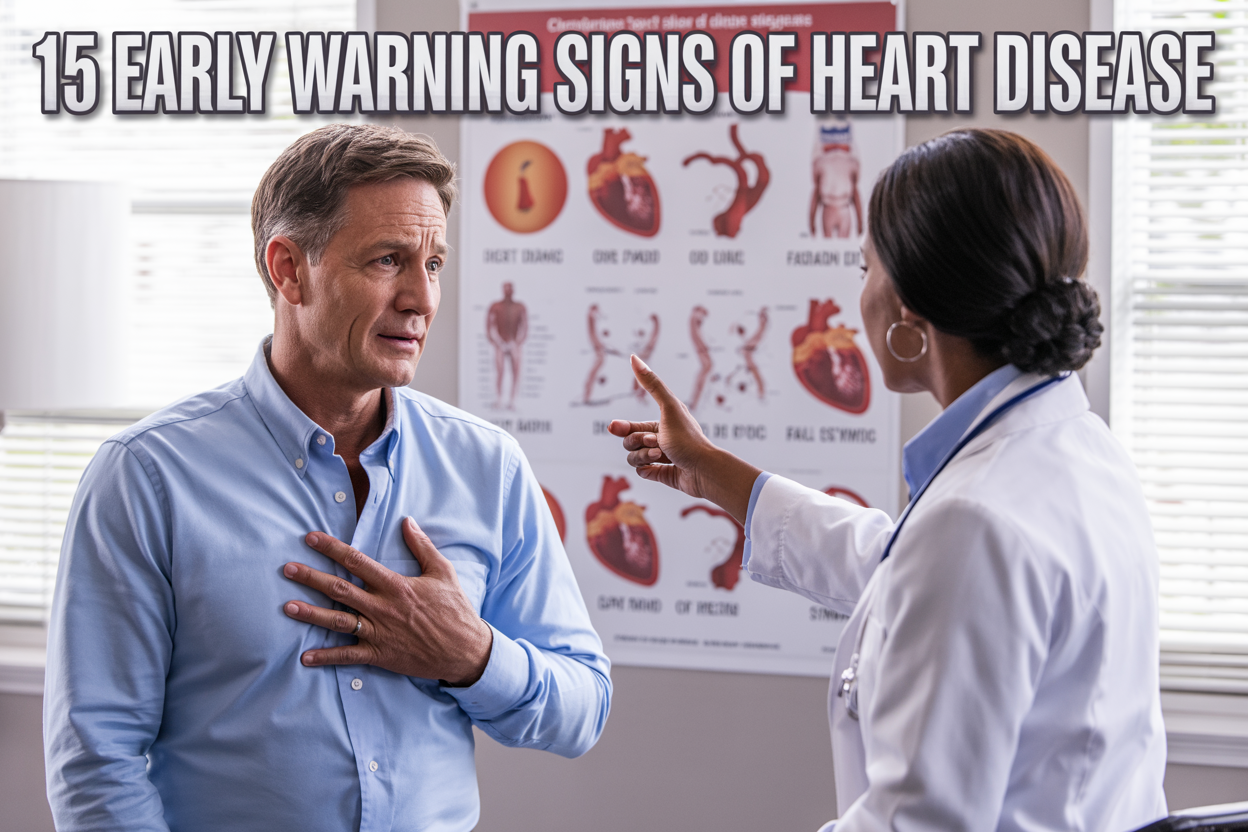
Heart disease remains the leading cause of death worldwide, yet many people miss the subtle warning signs that appear months or even years before a major cardiac event. Recognizing early signs of heart disease can mean the difference between effective prevention and emergency intervention.
This comprehensive guide targets adults over 40, individuals with family history of cardiovascular disease, and anyone experiencing unexplained physical symptoms that could indicate heart problems. Healthcare professionals also reference this information when educating patients about heart disease warning signs and heart attack symptoms.
The following sections examine chest-related warning signs that demand immediate medical attention, including various types of chest pain heart disease can cause beyond the classic crushing sensation most people expect. The guide also covers breathing changes that signal heart problems, from subtle shortness of breath heart problems create during routine activities to more obvious respiratory distress.
Special attention focuses on heart disease symptoms in women, which often differ significantly from male presentations and include fatigue heart disease causes, circulation problems heart conditions create in hands and feet, and energy changes that many dismiss as normal aging. The final sections provide clear guidance on when to see cardiologist and actionable steps for heart disease prevention based on individual risk factors.
Recognize Chest-Related Warning Signs That Demand Immediate Attention

Identify different types of chest pain patterns beyond classic heart attacks
The typical crushing chest pain often associated with heart attacks represents only one piece of the puzzle when detecting heart disease warning signs. Many people experience chest discomfort that doesn't match the Hollywood portrayal of someone clutching their chest dramatically. Sharp, stabbing pains that come and go might signal coronary artery disease, especially when triggered by physical exertion or emotional stress.
Burning sensations across the chest wall can indicate reduced blood flow to the heart muscle, particularly when the discomfort spreads to the left arm, jaw, or back. Some individuals report a dull, persistent ache that feels similar to muscle strain but doesn't respond to stretching or position changes. This type of chest pain heart disease connection becomes more apparent when the discomfort occurs during activities that increase heart rate.
Women often experience atypical chest pain patterns that differ significantly from classic heart attack symptoms. These may include sharp pain between the shoulder blades, pressure that feels like indigestion, or a squeezing sensation that radiates upward toward the neck. The pain might last only seconds or persist for hours, making it challenging to recognize as a potential cardiac issue without proper medical evaluation.
Understand when chest tightness and pressure indicate serious problems
Chest tightness that develops during physical activity serves as a critical early sign of heart disease, especially when it resolves with rest. This pattern, known as stable angina, suggests that coronary arteries cannot deliver adequate blood to meet the heart's increased oxygen demands during exertion. The tightness often feels like a heavy weight pressing down on the chest or a tight band wrapped around the ribcage.
Pressure sensations that worsen over time or occur with less provocation require immediate medical attention. When chest pressure accompanies shortness of breath heart problems become more likely, particularly if these symptoms emerge during routine activities that previously caused no discomfort. The combination creates a concerning pattern that suggests progressive narrowing of coronary arteries.
Nighttime chest pressure presents another warning sign that demands evaluation. Heart disease symptoms in women frequently include chest tightness that occurs during sleep or upon waking, often accompanied by unusual fatigue or sleep disturbances. This timing pattern can indicate unstable angina, where reduced blood flow occurs even during periods of rest.
Recognize unusual chest sensations that signal developing heart issues
Fluttering or racing sensations in the chest region may indicate arrhythmias or irregular heart rhythms that accompany underlying coronary disease. These palpitations become more significant when they occur alongside other early signs of heart disease, such as unexplained fatigue or mild shortness of breath during normal activities.
Temperature changes in the chest area, including sudden cold or hot flashes across the chest wall, can signal circulation problems heart specialists recognize as potential warning signs. These sensations often coincide with changes in skin color or texture around the chest and neck area, suggesting compromised blood flow.
Numbness or tingling that begins in the chest and radiates outward represents another subtle indicator of developing cardiac issues. Unlike nerve-related numbness, cardiac-related sensations often feel deeper and may be accompanied by mild nausea or lightheadedness. The key lies in recognizing when these unusual sensations occur in clusters or become more frequent over time.
Gas-like bubbling or vibrating sensations deep within the chest cavity sometimes precede more obvious heart disease warning signs by months or years. These feelings, often dismissed as digestive issues, may actually represent early changes in heart rhythm or blood flow patterns that warrant professional assessment to determine when to see cardiologist for proper evaluation.
Monitor Breathing Changes That Signal Heart Problems

Spot Shortness of Breath During Normal Daily Activities
When breathing becomes labored during routine tasks that previously caused no difficulty, this represents one of the most significant early signs of heart disease. Climbing a single flight of stairs, walking to the mailbox, or carrying groceries can suddenly trigger noticeable breathlessness in individuals developing cardiac issues.
This type of exertional dyspnea occurs because the heart struggles to pump adequate blood to meet the body's oxygen demands during physical activity. Unlike the expected breathlessness from intense exercise, heart-related shortness of breath manifests during minimal exertion that shouldn't normally challenge the cardiovascular system.
Key activities that may reveal this warning sign include:
-
Walking up stairs or hills
-
Performing household chores like vacuuming or gardening
-
Carrying objects of moderate weight
-
Walking at a normal pace for short distances
-
Getting dressed or showering
The breathing difficulty typically develops gradually over weeks or months, making it easy to dismiss as aging or being "out of shape." However, any unexplained change in exercise tolerance warrants medical evaluation, especially when accompanied by other heart disease symptoms in women and men.
Recognize Breathing Difficulties When Lying Flat
Orthopnea, the medical term for difficulty breathing while lying flat, serves as a critical indicator of heart problems. This condition forces individuals to sleep with multiple pillows or in a recliner to breathe comfortably, as the horizontal position increases venous return to the heart and worsens fluid accumulation in the lungs.
When the heart's pumping efficiency declines, fluid can back up into the pulmonary vessels, creating congestion that becomes more pronounced when lying down. This explains why people experiencing this symptom often wake up gasping for air or feeling like they're drowning.
Warning signs include:
-
Needing to prop up with 2-3 pillows to sleep
-
Waking up coughing or feeling suffocated
-
Preferring to sleep in a chair rather than bed
-
Experiencing relief only when sitting upright
-
Developing a persistent cough that worsens at night
Identify When Fatigue Accompanies Breathing Problems
The combination of unexplained fatigue and breathing difficulties creates a particularly concerning pattern that may signal advancing heart disease. When these heart disease warning signs appear together, they often indicate that the cardiovascular system cannot adequately deliver oxygen-rich blood throughout the body.
This dual presentation typically manifests as:
| Fatigue Symptoms | Breathing Symptoms | Combined Impact |
|---|---|---|
| Exhaustion after minimal activity | Shortness of breath during tasks | Inability to complete daily routines |
| Weakness in arms and legs | Rapid breathing with light exertion | Need for frequent rest breaks |
| Mental fog or confusion | Feeling breathless while talking | Reduced quality of life |
The fatigue associated with heart problems differs from normal tiredness because rest doesn't provide relief, and the exhaustion appears disproportionate to activity levels. When coupled with breathing changes, this combination suggests the heart cannot meet the body's metabolic demands.
Understand the Connection Between Sleep Disruption and Heart-Related Breathing Issues
Sleep disturbances caused by breathing problems often provide the earliest detectable signs of cardiac dysfunction. Paroxysmal nocturnal dyspnea, characterized by sudden awakening with severe breathlessness, represents one of the most dramatic presentations of heart-related breathing issues.
These nocturnal episodes occur because lying flat for extended periods allows fluid to redistribute from the legs back to the chest, overwhelming a weakened heart's ability to manage the increased blood volume. The resulting pulmonary congestion creates an urgent need to sit up and breathe.
Sleep-related breathing patterns that suggest heart problems include:
-
Waking up 1-3 hours after falling asleep with severe breathlessness
-
Needing to sit on the edge of the bed to catch breath
-
Experiencing relief only after standing or walking around
-
Developing a chronic cough that interrupts sleep
-
Feeling more tired upon waking than when going to bed
People experiencing these symptoms often develop anxiety around bedtime, knowing they may wake up struggling to breathe. This creates a cycle of sleep deprivation that can worsen heart problems and delay recognition of when to see cardiologist for proper evaluation and treatment.
Pay Attention to Circulation Warning Signs in Your Extremities

Identify Swelling Patterns in Feet, Ankles, and Legs
Swelling in the lower extremities often serves as an early indicator of heart disease, particularly when the heart struggles to pump blood efficiently throughout the body. This condition, known as peripheral edema, occurs when fluid accumulates in tissues due to poor circulation or increased pressure in blood vessels.
The most common pattern begins with mild swelling in the feet and ankles, especially noticeable at the end of the day. This swelling typically appears symmetrical, affecting both sides equally. Pressing a finger into the swollen area may leave a temporary indentation, called pitting edema, which signals fluid retention.
Progressive swelling patterns to monitor:
-
Morning vs. evening comparison: Swelling that worsens throughout the day and improves overnight
-
Bilateral presentation: Both legs affected similarly, distinguishing it from injury-related swelling
-
Gradual progression: Swelling that moves upward from ankles to calves and potentially thighs
-
Shoe tightness: Difficulty fitting into regular footwear, particularly later in the day
Weight gain accompanying leg swelling may indicate worsening heart function. Rapid weight increases of 2-3 pounds within days, combined with lower extremity swelling, warrant immediate medical evaluation as this combination frequently signals heart failure progression.
Recognize Color Changes and Temperature Differences in Hands and Feet
Circulation problems heart conditions often manifest through noticeable changes in skin color and temperature in the extremities. Poor blood flow creates distinctive patterns that medical professionals use as diagnostic indicators for cardiovascular health assessment.
Color variations that signal circulation issues:
| Color Change | Possible Indication | Associated Symptoms |
|---|---|---|
| Blue or purple tint (cyanosis) | Oxygen-poor blood circulation | Cold sensation, numbness |
| Pale or white appearance | Reduced blood flow | Weakness, tingling |
| Mottled or patchy coloring | Inconsistent circulation | Temperature variations |
| Red or flushed areas | Blood pooling or inflammation | Warmth, throbbing |
Temperature differences between extremities or compared to the rest of the body provide valuable diagnostic information. Cold hands and feet, even in warm environments, may indicate reduced cardiac output or peripheral artery disease. Conversely, one extremity feeling significantly warmer than the other could suggest localized circulation problems.
Nail bed changes accompany these color variations. Slow capillary refill—when pressed nails take more than three seconds to return to normal color—indicates compromised circulation. Blue-tinged nail beds or fingertips particularly concern medical professionals as they suggest inadequate oxygen delivery throughout the body.
Spot Unusual Pain or Cramping in Legs During Walking
Leg pain during physical activity, medically termed claudication, represents a significant heart disease warning sign that many people mistakenly attribute to aging or fitness levels. This type of discomfort specifically occurs during exertion and typically subsides with rest, creating a predictable pattern that distinguishes it from other muscle-related issues.
Characteristic features of circulation-related leg pain:
-
Cramping sensation: Sharp, tight muscle contractions in calves, thighs, or buttocks
-
Predictable onset: Pain begins after walking a consistent distance
-
Relief with rest: Symptoms disappear within minutes of stopping activity
-
Progressive limitation: Walking distance gradually decreases over time
The pain pattern often starts as mild discomfort during longer walks but progressively worsens, eventually limiting daily activities. Some individuals experience this discomfort as burning, aching, or heaviness rather than sharp pain. The location of pain provides clues about which arteries are affected—calf pain typically indicates lower leg artery problems, while thigh or buttock pain suggests issues with larger vessels.
Early signs of heart disease related to leg circulation include unusual fatigue heart disease patterns during walking, where legs feel disproportionately tired compared to overall fitness level. This symptom often precedes obvious pain and may be the first indication of developing peripheral artery disease, which frequently coexists with coronary heart disease.
Night-time leg cramps or pain that occurs at rest represents a more advanced stage of circulation problems, requiring immediate medical evaluation as it suggests severely compromised blood flow to the extremities.
Notice Energy and Performance Changes That Indicate Heart Stress

Recognize When Normal Activities Become Unusually Exhausting
Daily tasks that once felt effortless can become surprisingly difficult when the heart struggles to pump blood effectively. Climbing a single flight of stairs might leave someone breathless, while carrying groceries from the car could trigger unexpected exhaustion. This dramatic shift in energy levels during routine activities represents one of the most telling early signs of heart disease.
The heart compensates for reduced function by working harder during basic movements, leading to rapid fatigue. Walking to the mailbox, doing laundry, or even getting dressed might require frequent rest breaks. These changes often develop gradually, making them easy to dismiss as normal aging or being "out of shape." However, when familiar activities consistently drain energy levels, the cardiovascular system may be sending important warning signals.
Identify Decreased Exercise Tolerance and Stamina
Athletes and fitness enthusiasts often notice cardiovascular changes first, but decreased exercise tolerance affects people at all activity levels. Someone who regularly walks three miles might suddenly struggle to complete one mile without feeling winded. Weekend gardeners may find themselves needing multiple breaks during previously manageable yard work.
Heart disease symptoms frequently manifest as a noticeable drop in endurance during physical activities. The heart's reduced ability to deliver oxygen-rich blood to working muscles creates a cascade of performance issues. Recovery times between activities also increase significantly, with the body requiring longer periods to return to baseline energy levels.
Exercise-related fatigue heart disease symptoms include:
-
Shortness of breath during moderate activity
-
Chest tightness during exertion
-
Unusually rapid heart rate with minimal effort
-
Need for extended cool-down periods
-
Difficulty maintaining previous workout intensity
Understand When Dizziness and Lightheadedness Signal Heart Problems
Dizziness and lightheadedness can indicate inadequate blood flow to the brain, often stemming from compromised heart function. These symptoms typically worsen when changing positions quickly, such as standing up from a chair or getting out of bed. The heart may struggle to adjust blood pressure rapidly enough to maintain proper circulation to the brain.
Circulation problems heart conditions create blood flow irregularities that trigger various neurological symptoms. Persistent dizziness, especially when combined with other cardiovascular warning signs, warrants immediate medical attention. Some people experience near-fainting episodes during routine activities, while others notice a constant feeling of unsteadiness.
Warning signs that dizziness relates to heart problems include:
-
Episodes triggered by physical activity
-
Dizziness accompanied by chest discomfort
-
Symptoms that worsen with position changes
-
Lightheadedness during emotional stress
-
Dizziness paired with irregular heartbeat
Spot Unusual Weakness That Doesn't Improve With Rest
Cardiac-related weakness differs significantly from typical tiredness or muscle fatigue. This profound exhaustion persists despite adequate sleep and rest periods, affecting both physical and mental energy levels. People often describe feeling "heavy" or "drained," as if their body lacks the fundamental energy needed for basic functioning.
Unlike temporary weakness from illness or overexertion, heart-related fatigue maintains consistent intensity throughout the day. Rest breaks provide minimal relief, and the weakness often feels worse in the morning despite a full night's sleep. This type of exhaustion stems from the heart's decreased ability to circulate oxygen and nutrients effectively throughout the body.
Heart disease warning signs related to persistent weakness include:
| Symptom | Heart-Related | Other Causes |
|---|---|---|
| Duration | Weeks to months | Days to weeks |
| Response to rest | Minimal improvement | Significant relief |
| Daily pattern | Consistent throughout day | Varies by time |
| Associated symptoms | Chest pain, breathlessness | Fever, congestion |
The weakness may also manifest as difficulty concentrating, reduced motivation, and an overall sense of physical depletion that doesn't match activity levels. When this type of exhaustion persists for several weeks without improvement, cardiovascular evaluation becomes essential for proper diagnosis and treatment.
Understand Critical Timing for Seeking Medical Evaluation

Know Which Symptoms Require Immediate Emergency Care
Certain heart disease warning signs demand instant medical attention and warrant calling 911 immediately. Crushing chest pain that feels like an elephant sitting on the chest, especially when accompanied by sweating, nausea, or shortness of breath, requires emergency intervention. This type of chest pain heart disease symptom often signals an active heart attack.
Heart attack symptoms in women can present differently than in men. Women may experience unusual fatigue, jaw pain, back pain, or nausea without classic chest pain. These subtle heart disease symptoms in women are equally serious and require emergency care.
Additional emergency situations include sudden severe shortness of breath, loss of consciousness, rapid or irregular heartbeat with dizziness, and sudden weakness or numbness in arms or legs. Circulation problems affecting extremities combined with chest discomfort also warrant immediate attention.
Identify Warning Signs That Need Same-Day Medical Attention
Several early signs of heart disease require medical evaluation within the same day, though not necessarily emergency room treatment. New or worsening shortness of breath during routine activities that wasn't present before needs prompt assessment. When climbing stairs that previously caused no issues suddenly triggers breathing difficulties, this change in heart problems symptoms requires attention.
Unexplained swelling in legs, ankles, or feet can indicate heart failure and needs same-day evaluation. Persistent fatigue heart disease symptoms that interfere with daily activities and don't improve with rest should be assessed quickly.
New chest discomfort that occurs with minimal exertion or emotional stress, even if it subsides with rest, requires prompt medical review. Heart disease warning signs also include dizziness or lightheadedness during normal activities, especially when combined with other symptoms.
Recognize Patterns That Warrant Scheduled Cardiology Consultation
Certain patterns of symptoms suggest the need for specialized cardiac evaluation, though not necessarily on an emergency basis. Recurring episodes of mild chest discomfort, particularly during physical activity, indicate the need for stress testing and comprehensive cardiac assessment.
Progressive exercise intolerance where activities become increasingly difficult over weeks or months signals potential heart problems. When someone who previously walked two miles comfortably now struggles with half that distance, this progression warrants cardiology evaluation.
Family history combined with risk factors like diabetes, high blood pressure, or smoking history calls for preventive cardiology consultation. Heart disease prevention strategies are most effective when implemented before symptoms become severe.
Intermittent heart palpitations, especially when accompanied by shortness of breath or dizziness, need cardiac rhythm evaluation. Sleep disturbances due to breathing difficulties or the need to sleep propped up also warrant cardiac assessment.
Understand When to Call the Doctor Versus When to Call 911
The decision between calling a primary care physician or emergency services depends on symptom severity and onset. Call 911 immediately for sudden, severe symptoms that represent a significant change from baseline. This includes intense chest pain, severe breathing difficulties, loss of consciousness, or symptoms suggesting an active heart attack.
Contact a doctor within 24 hours for concerning symptoms that develop gradually or represent mild-to-moderate changes. These include new shortness of breath with exertion, unusual fatigue, mild chest discomfort, or swelling in extremities.
| Situation | Action Required |
|---|---|
| Severe chest pain with sweating | Call 911 immediately |
| New shortness of breath with activity | Call doctor same day |
| Gradual exercise intolerance | Schedule appointment |
| Loss of consciousness | Call 911 immediately |
| Mild recurring chest discomfort | Schedule cardiology consultation |
When in doubt about symptom severity, err on the side of caution. Healthcare providers would rather evaluate someone unnecessarily than miss critical heart disease warning signs that could lead to serious complications.
Take Preventive Action Based on Your Risk Assessment

Evaluate Personal Risk Factors for Developing Heart Disease
Understanding individual risk factors serves as the foundation for effective heart disease prevention. Age remains a non-modifiable risk factor, with men over 45 and women over 55 facing increased vulnerability. Family history plays a crucial role - those with parents or siblings who developed heart disease before age 60 carry higher genetic predisposition.
Medical conditions significantly impact cardiovascular health. Diabetes doubles the risk of heart disease, while high blood pressure forces the heart to work harder, gradually weakening the muscle. High cholesterol levels create arterial blockages that can trigger heart attacks. Sleep apnea disrupts normal heart rhythms and increases blood pressure during rest periods.
Lifestyle factors compound these risks dramatically. Smoking damages blood vessels and reduces oxygen in the blood, while excessive alcohol consumption can lead to high blood pressure and heart failure. Physical inactivity weakens the heart muscle and contributes to other risk factors like obesity and diabetes. Chronic stress elevates cortisol levels, which can increase blood pressure and inflammation throughout the cardiovascular system.
Certain demographics face unique challenges. Women often experience different heart disease symptoms and may develop coronary artery disease later in life, particularly after menopause when protective estrogen levels decline. African Americans, Hispanic Americans, and Native Americans statistically face higher rates of heart disease due to genetic factors and higher prevalence of diabetes and hypertension.
Implement Lifestyle Changes That Reduce Heart Disease Risk
Dietary modifications provide immediate and long-term cardiovascular benefits. The Mediterranean diet, rich in fruits, vegetables, whole grains, and healthy fats, reduces heart disease risk by up to 30%. Limiting sodium intake to less than 2,300 milligrams daily helps control blood pressure, while reducing saturated fats and eliminating trans fats prevents arterial plaque buildup.
Regular physical activity strengthens the heart muscle and improves circulation. The American Heart Association recommends 150 minutes of moderate-intensity exercise weekly, which can be broken into manageable 30-minute sessions five days per week. Activities like brisk walking, swimming, or cycling provide excellent cardiovascular benefits without requiring gym memberships or expensive equipment.
| Lifestyle Change | Heart Disease Risk Reduction |
|---|---|
| Regular Exercise | 30-40% reduction |
| Mediterranean Diet | 25-30% reduction |
| Smoking Cessation | 50% reduction within 1 year |
| Weight Management | 20-25% reduction |
| Stress Management | 15-20% reduction |
Smoking cessation ranks among the most impactful changes possible. Within 24 hours of quitting, heart attack risk begins decreasing. After one year, the risk of coronary heart disease drops by half compared to continuing smokers. Weight management through portion control and regular activity reduces strain on the heart and improves overall cardiovascular efficiency.
Stress management techniques like meditation, deep breathing exercises, and regular sleep schedules help regulate blood pressure and reduce inflammatory markers. Quality sleep of 7-9 hours nightly allows the heart to rest and repair, while chronic sleep deprivation increases heart disease symptoms and early signs of heart disease.
Schedule Appropriate Screening Tests Based on Age and Risk Level
Preventive screening enables early detection of heart disease warning signs before symptoms become severe. Adults should begin cardiovascular screening by age 20 with blood pressure checks every two years if readings remain normal. Those with elevated readings or other risk factors require more frequent monitoring.
Cholesterol screening should start at age 20 and repeat every five years for low-risk individuals. High-risk patients or those with family history may need annual testing. Blood glucose screening begins at age 45 or earlier for those with risk factors like obesity or family history of diabetes.
Electrocardiograms (EKGs) establish baseline heart rhythm patterns and can detect irregularities that indicate heart problems. While not routinely recommended for asymptomatic low-risk individuals, those with multiple risk factors should discuss EKG screening with healthcare providers.
Advanced screening options include stress testing for individuals over 50 with multiple risk factors, and coronary calcium scoring for those at intermediate risk. These tests help identify circulation problems and assess when to see a cardiologist for specialized evaluation.
Women require special consideration for heart disease prevention, as heart disease symptoms in women can differ from classic presentations. Regular discussions with healthcare providers about changing risk factors during menopause and pregnancy help ensure appropriate screening intervals. Healthcare providers can also assess whether fatigue, heart disease connections warrant additional testing beyond routine screenings.
Regular communication with healthcare teams ensures screening schedules align with individual risk profiles and family history. This proactive approach helps identify early signs of heart disease before they progress to more serious complications requiring emergency intervention.

Heart disease often develops silently, making early recognition of warning signs crucial for protecting cardiovascular health. The symptoms discussed - from chest discomfort and breathing difficulties to circulation problems and unexplained fatigue - serve as the body's alarm system. Changes in energy levels, performance capacity, and circulation in hands and feet can signal developing heart problems before they become life-threatening emergencies.
Taking swift action when these warning signs appear can make the difference between effective treatment and serious complications. Regular monitoring of these symptoms, combined with understanding personal risk factors, empowers individuals to seek medical evaluation at the right time. Schedule a consultation with a healthcare provider if any combination of these symptoms persists, and remember that early intervention offers the best outcomes for heart health management.




.jpg)


.jpg)
0 Comments