
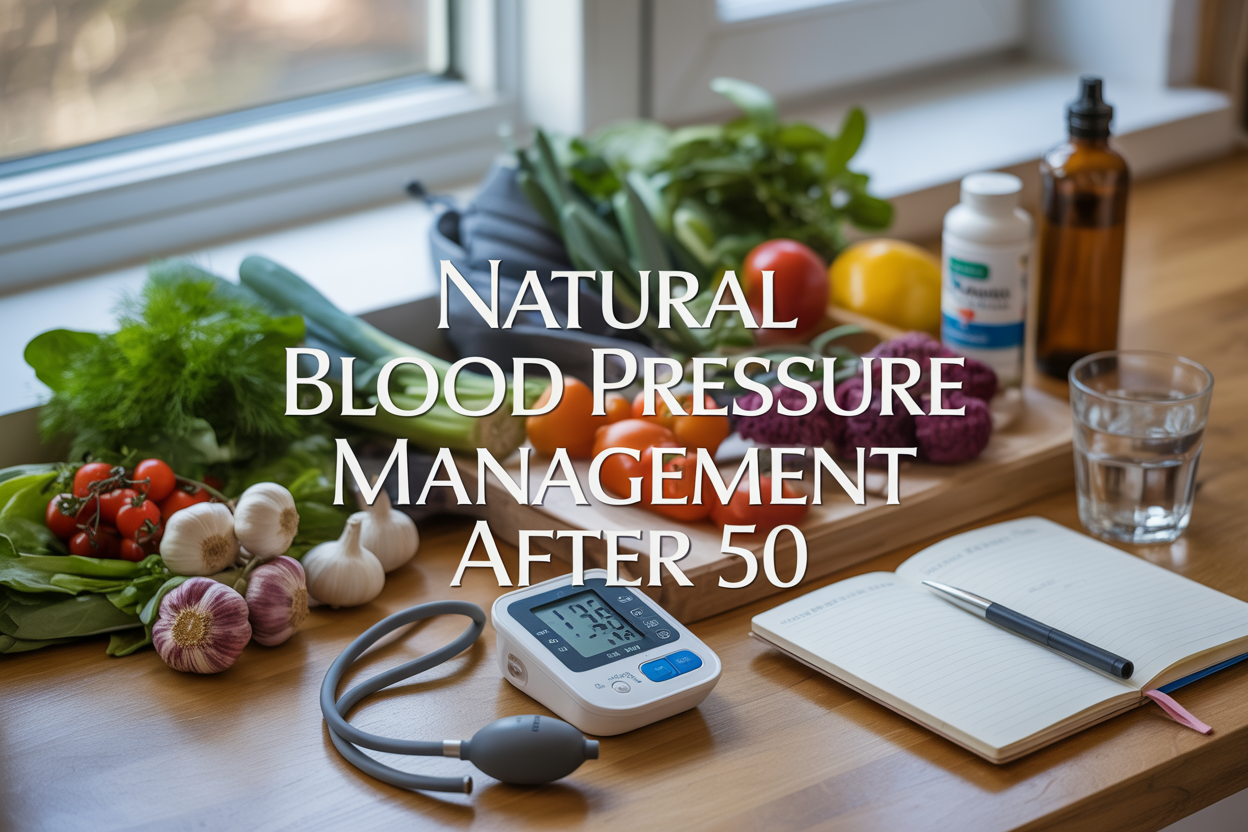
High blood pressure after 50 affects nearly half of all adults in this age group, making natural blood pressure management a critical health priority. As metabolism slows and hormonal changes occur during midlife, traditional approaches to blood pressure control may need adjustment to remain effective.
This comprehensive guide serves adults over 50 who want to lower blood pressure naturally through proven methods that don't rely solely on medication. The focus centers on practical, evidence-based strategies that address the unique challenges of hypertension lifestyle changes during and after middle age, including blood pressure control after menopause.
The following sections explore essential dietary changes for blood pressure control, including the DASH diet for seniors and specific nutritional approaches that target age-related cardiovascular changes. The guide also covers powerful lifestyle modifications for natural blood pressure reduction, from exercise routines tailored to mature adults to stress management techniques that support long-term heart health.
Finally, the content examines evidence-based natural supplements for blood pressure support and provides a framework for creating a personalized plan to reduce blood pressure without medication. Each strategy addresses the physiological realities of aging while offering natural ways to lower blood pressure that integrate seamlessly into daily life after 50.
Understanding Blood Pressure Changes After 50

How aging affects cardiovascular health and blood pressure regulation
Blood vessels undergo significant changes as the body ages beyond 50. Arteries naturally lose flexibility and elasticity, becoming stiffer and less able to expand and contract efficiently with each heartbeat. This arterial stiffening forces the heart to work harder to pump blood throughout the body, directly contributing to elevated blood pressure readings.
The cardiovascular system also experiences reduced efficiency in its regulatory mechanisms. Baroreceptors, specialized sensors that help control blood pressure by detecting changes in arterial pressure, become less sensitive with age. This diminished sensitivity means the body responds more slowly to blood pressure fluctuations, making it harder to maintain optimal levels naturally.
Kidney function gradually declines after 50, affecting the body's ability to regulate fluid balance and sodium levels. Since the kidneys play a crucial role in blood pressure control through fluid retention and elimination, this decline can lead to higher blood pressure readings. The renin-angiotensin system, which helps regulate blood pressure through hormone production, also becomes less efficient.
Blood vessel walls may develop calcium deposits and plaque buildup over time, further reducing arterial flexibility. These structural changes create increased resistance to blood flow, requiring higher pressure to deliver adequate oxygen and nutrients to organs and tissues throughout the body.
Key risk factors that increase after age 50
Several risk factors for high blood pressure after 50 become more prevalent and impactful. Metabolic changes often lead to weight gain, particularly around the midsection, which directly correlates with increased blood pressure. Insulin resistance becomes more common, creating a cascade of cardiovascular complications.
Hormonal changes significantly impact blood pressure regulation. Women experience dramatic hormonal shifts during menopause, as declining estrogen levels remove natural cardiovascular protection. Estrogen helps maintain arterial flexibility and supports healthy cholesterol levels, so its reduction can contribute to blood pressure elevation.
Sleep quality often deteriorates with age, and sleep apnea becomes increasingly common. Poor sleep patterns and sleep disorders create chronic stress on the cardiovascular system, leading to sustained blood pressure elevation. Stress hormone production, including cortisol, can remain elevated when sleep is inadequate.
Medication use typically increases after 50, and certain prescriptions can elevate blood pressure as a side effect. Pain medications, antidepressants, and hormone replacement therapies may contribute to hypertension. Additionally, the cumulative effects of lifestyle factors like sedentary behavior, dietary habits, and stress management become more apparent.
Chronic inflammation levels tend to increase with age, affecting blood vessel health and contributing to arterial stiffening. This inflammatory state can accelerate atherosclerosis and reduce the cardiovascular system's ability to adapt to changing demands.
Why natural management becomes more important with age
Natural blood pressure management gains critical importance after 50 because medication tolerance often decreases with age. The liver and kidneys process medications less efficiently, potentially leading to increased side effects or drug interactions. Natural approaches can reduce reliance on multiple medications while providing sustainable health benefits.
The body's ability to bounce back from cardiovascular stress diminishes over time, making prevention through natural methods more valuable than reactive treatment. Lifestyle modifications like dietary changes and regular physical activity provide comprehensive health benefits beyond blood pressure control, addressing multiple age-related health concerns simultaneously.
Natural management strategies often improve overall quality of life rather than simply treating isolated symptoms. A whole-food diet rich in potassium and magnesium supports not only blood pressure control but also bone health, cognitive function, and energy levels. Regular physical activity maintains muscle mass, balance, and mental well-being while supporting cardiovascular health.
Cost considerations become increasingly important on fixed incomes common after 50. Natural approaches through diet and lifestyle changes can be more economically sustainable than long-term medication regimens, especially when insurance coverage changes or medication costs increase.
The interconnected nature of age-related health issues makes natural management particularly effective. High blood pressure often coexists with diabetes, high cholesterol, and obesity. Natural interventions address multiple conditions simultaneously, creating synergistic health improvements that medications alone cannot achieve.
Building healthy habits through natural management creates long-term sustainability and empowerment. Rather than relying solely on external interventions, individuals develop skills and knowledge that serve them throughout their later years, promoting independence and confidence in health management.
Essential Dietary Changes for Blood Pressure Control

Heart-healthy eating patterns that lower blood pressure effectively
The DASH diet stands as the gold standard for natural blood pressure management after 50, backed by decades of research. This eating pattern emphasizes whole grains, lean proteins, fruits, vegetables, and low-fat dairy while limiting sodium, saturated fats, and added sugars. Adults following DASH principles typically see blood pressure reductions of 8-14 mmHg within weeks.
Mediterranean-style eating offers another proven approach, focusing on olive oil, fish, nuts, legumes, and abundant vegetables. The high potassium content from fruits and vegetables helps counteract sodium's effects, while omega-3 fatty acids from fish provide anti-inflammatory benefits that support cardiovascular health.
Plant-forward eating patterns show remarkable effectiveness for blood pressure control over 50. Increasing vegetable intake to 5-9 servings daily provides essential minerals like potassium, magnesium, and calcium that work synergistically to relax blood vessels and improve circulation.
| Eating Pattern | Typical BP Reduction | Key Components |
|---|---|---|
| DASH Diet | 8-14 mmHg | Whole grains, lean protein, low sodium |
| Mediterranean | 6-10 mmHg | Olive oil, fish, vegetables, nuts |
| Plant-Forward | 5-12 mmHg | High vegetable intake, minimal processed foods |
Foods to eliminate or reduce for optimal cardiovascular health
Sodium reduction represents the most critical dietary modification for blood pressure control after 50. The American Heart Association recommends limiting sodium to 1,500mg daily, though even reducing to 2,300mg can provide significant benefits. Hidden sodium sources include processed meats, canned soups, restaurant meals, and packaged snacks.
Processed and ultra-processed foods contribute multiple cardiovascular risk factors beyond excess sodium. These items often contain trans fats, added sugars, and artificial preservatives that promote inflammation and arterial stiffness. Common culprits include:
-
Deli meats and hot dogs
-
Frozen dinners and convenience meals
-
Packaged snack foods and chips
-
Sugary beverages and energy drinks
-
Commercial baked goods and pastries
Alcohol moderation becomes especially important after 50, as metabolism slows and blood pressure sensitivity increases. Women should limit intake to one drink daily, while men should cap consumption at two drinks. Excessive alcohol consumption can raise blood pressure by 2-4 mmHg per drink beyond recommended limits.
Refined sugars and high-fructose corn syrup contribute to weight gain, insulin resistance, and increased blood pressure. These ingredients appear in unexpected places like salad dressings, yogurts, and whole grain breads, making label reading essential.
Meal timing and portion control strategies for sustained results
Strategic meal timing supports natural blood pressure rhythms and improves overall cardiovascular health. Blood pressure naturally fluctuates throughout the day, typically peaking in late afternoon and dropping during sleep. Aligning eating patterns with these rhythms can optimize pressure management.
Eating larger meals earlier in the day supports better blood pressure control. A substantial breakfast with adequate protein helps stabilize blood sugar and prevents afternoon pressure spikes. Research shows that consuming 700-800 calories at breakfast, 500-600 at lunch, and 200-300 at dinner can improve both weight management and blood pressure control.
Intermittent fasting approaches, particularly 16:8 patterns, show promise for blood pressure reduction in adults over 50. This eating window allows for better insulin sensitivity and weight management while giving the cardiovascular system extended periods of reduced metabolic stress.
Portion control strategies that support blood pressure management include:
-
Using smaller plates (9-10 inches) to naturally reduce serving sizes
-
Filling half the plate with non-starchy vegetables
-
Limiting protein portions to palm-sized servings
-
Measuring nuts and oils to avoid excess calories
-
Eating slowly and checking hunger levels mid-meal
Hydration guidelines for blood pressure management
Proper hydration plays a complex role in blood pressure regulation, particularly after 50 when kidney function may decline slightly. Adequate fluid intake helps maintain blood volume and supports the kidneys' ability to regulate sodium balance.
The general recommendation of 8 glasses daily may need adjustment based on individual factors like medication use, activity level, and climate. Adults taking diuretics for blood pressure control require careful hydration monitoring to prevent dehydration-induced pressure spikes.
Water timing can influence blood pressure patterns. Drinking 16-20 ounces upon waking helps counteract the natural blood pressure rise that occurs in early morning hours. Avoiding large fluid intake within 2 hours of bedtime prevents sleep disruption while maintaining steady overnight hydration.
Beverage choices significantly impact blood pressure control. While water remains the optimal choice, other beneficial options include:
-
Hibiscus tea (shown to reduce BP by 7-13 mmHg)
-
Green tea with natural antioxidants
-
Low-sodium vegetable juices
-
Unsweetened herbal teas
Caffeinated beverages require individual assessment, as some people over 50 develop increased caffeine sensitivity that can temporarily elevate blood pressure. Limiting caffeine to morning hours and monitoring individual response helps determine optimal intake levels.
Powerful Lifestyle Modifications for Natural Blood Pressure Reduction

Exercise Routines Specifically Designed for Adults Over 50
Regular physical activity stands as one of the most effective natural methods for reducing high blood pressure after 50. Research consistently shows that consistent exercise can lower systolic blood pressure by 4-9 mmHg, comparable to some medications.
Low-Impact Cardiovascular Options
Walking remains the gold standard for blood pressure reduction in mature adults. A brisk 30-minute walk five days per week can produce significant improvements within 4-6 weeks. Swimming offers excellent cardiovascular benefits while protecting joints, making it ideal for those with arthritis or mobility concerns. Water aerobics classes provide social interaction alongside cardiovascular benefits.
Strength Training Adaptations
Resistance training twice weekly helps maintain muscle mass while supporting blood pressure control. Focus on bodyweight exercises like wall push-ups, chair squats, and resistance band workouts. Start with lighter weights and higher repetitions, gradually building intensity. Circuit training combining strength and cardio movements maximizes benefits in shorter timeframes.
Flexibility and Balance Work
Tai chi and gentle yoga offer dual benefits for blood pressure management. These practices combine physical movement with stress reduction, creating compound effects on cardiovascular health. Chair-based exercises accommodate various mobility levels while still providing measurable benefits.
Stress Management Techniques That Directly Impact Blood Pressure
Chronic stress significantly contributes to elevated blood pressure, making stress management crucial for natural hypertension control. Stress hormones like cortisol directly impact blood vessel function and sodium retention.
Deep Breathing Practices
The 4-7-8 breathing technique offers immediate blood pressure benefits. Inhale for 4 counts, hold for 7, exhale for 8. Practice this sequence 4 times, twice daily. Progressive muscle relaxation combined with controlled breathing creates measurable reductions in both stress hormones and blood pressure readings.
Mindfulness and Meditation
Daily meditation practice, even for 10-15 minutes, produces lasting changes in blood pressure regulation. Apps and guided recordings make meditation accessible for beginners. Mindful eating practices help reduce stress around food choices while supporting healthy blood pressure patterns.
Social Connection and Hobbies
Engaging in enjoyable activities and maintaining social connections naturally reduces stress hormones. Gardening, reading groups, or volunteer work provide purposeful stress relief. Regular phone calls with friends or family members create accountability and emotional support networks.
Sleep Optimization Strategies for Cardiovascular Health
Quality sleep directly affects blood pressure regulation through multiple pathways. Poor sleep disrupts hormone balance, increases inflammation, and impairs the body's natural blood pressure dipping pattern during nighttime hours.
Sleep Hygiene Fundamentals
Maintaining consistent sleep and wake times supports natural circadian rhythms that regulate blood pressure. The bedroom environment should remain cool (65-68°F), dark, and quiet. Blackout curtains and white noise machines create optimal conditions for restorative sleep.
Evening Routine Optimization
Avoiding screens 2 hours before bedtime prevents blue light from disrupting melatonin production. Reading, gentle stretching, or listening to calming music prepare the body for rest. A warm bath 90 minutes before bed naturally lowers body temperature, signaling sleep readiness.
Addressing Sleep Disorders
Sleep apnea significantly worsens blood pressure control and becomes more common after 50. Signs include loud snoring, morning headaches, and daytime fatigue. CPAP therapy or oral appliances effectively treat sleep apnea while improving blood pressure readings.
Weight Management Approaches Tailored for Mature Adults
Weight management after 50 requires different strategies than those used in younger years. Metabolic changes, hormone fluctuations, and medication effects all influence weight control and blood pressure.
Metabolism-Supporting Strategies
Eating protein with each meal helps maintain muscle mass and supports metabolic function. Aim for 25-30 grams of protein per meal from sources like fish, lean poultry, beans, or Greek yogurt. Meal timing affects metabolism - eating larger portions earlier in the day aligns with natural metabolic patterns.
Sustainable Calorie Management
Extreme calorie restriction backfires in mature adults by slowing metabolism and causing muscle loss. A moderate deficit of 300-500 calories daily produces steady, sustainable weight loss. Focus on nutrient-dense foods that provide satiety without excessive calories.
Activity Integration
Beyond structured exercise, increasing daily movement supports weight management and blood pressure control. Taking stairs instead of elevators, parking farther away, or doing household chores more vigorously adds meaningful calorie burn. Standing during phone calls or commercial breaks interrupts prolonged sitting periods.
Hormonal Considerations
Menopause and andropause affect weight distribution and metabolism. Working with healthcare providers to address hormonal changes through natural approaches or hormone therapy can significantly impact weight management success and blood pressure control.
Evidence-Based Supplements That Support Healthy Blood Pressure

Key vitamins and minerals proven to lower blood pressure naturally
Several vitamins and minerals have demonstrated significant effectiveness in supporting healthy blood pressure levels for adults over 50. Magnesium stands out as one of the most researched nutrients, with studies showing that daily supplementation of 300-400mg can reduce systolic blood pressure by 2-3 mmHg. This mineral works by relaxing blood vessel walls and supporting proper calcium balance in muscle cells.
Potassium plays an equally important role in natural blood pressure management after 50. Adults in this age group often benefit from 3,500-4,700mg daily through supplements or potassium-rich foods. The mineral helps counteract sodium's effects and supports healthy arterial function.
Vitamin D deficiency commonly affects people over 50 and correlates with elevated blood pressure. Research indicates that maintaining vitamin D levels between 30-50 ng/mL through 2,000-4,000 IU daily supplementation can contribute to better cardiovascular health.
| Nutrient | Daily Dosage | Primary Benefit |
|---|---|---|
| Magnesium | 300-400mg | Vessel relaxation |
| Potassium | 3,500-4,700mg | Sodium balance |
| Vitamin D | 2,000-4,000 IU | Arterial health |
| Calcium | 1,000-1,200mg | Muscle function |
Calcium works synergistically with magnesium for optimal blood pressure support, with recommended daily intake of 1,000-1,200mg for adults over 50.
Herbal supplements with cardiovascular benefits and proper dosages
Traditional herbal remedies offer compelling evidence for blood pressure support, particularly for individuals seeking natural alternatives to conventional medications. Hawthorn berry extract has received extensive scientific attention, with clinical trials demonstrating its ability to reduce both systolic and diastolic pressure when taken at 300-600mg twice daily.
Garlic supplements provide another well-researched option for natural blood pressure management over 50. Aged garlic extract containing 1,200-2,400mg daily has shown consistent results in lowering blood pressure by 5-10 mmHg in multiple studies.
Hibiscus tea offers a gentler approach, with research supporting 1-2 cups daily of properly steeped hibiscus flowers. The anthocyanins in hibiscus work similarly to ACE inhibitors, helping blood vessels relax naturally.
Effective herbal options include:
-
Olive leaf extract: 500-1,000mg daily, rich in oleuropein
-
CoQ10: 100-200mg daily for cellular energy and vessel health
-
Beetroot powder: 5-10g daily, providing natural nitrates
-
Green tea extract: 300-400mg daily, supporting overall cardiovascular function
Ashwagandha, traditionally used for stress management, shows promise for blood pressure control at 300-500mg daily. Its adaptogenic properties help the body manage stress-related blood pressure spikes common after 50.
Safety considerations and potential interactions with medications
Supplement safety becomes increasingly important for individuals over 50, especially those taking prescription medications for hypertension or other conditions. Blood pressure medications can interact significantly with certain natural supplements, potentially causing dangerous drops in blood pressure or reducing medication effectiveness.
Garlic supplements can enhance the effects of blood thinning medications like warfarin, increasing bleeding risk. Individuals taking anticoagulants should consult healthcare providers before adding garlic supplements to their regimen. Similarly, hawthorn can amplify the effects of heart medications, requiring careful monitoring and dosage adjustments.
Potassium supplementation requires particular caution for people taking ACE inhibitors or potassium-sparing diuretics, as the combination can lead to dangerous potassium levels. Regular blood testing becomes essential when combining these approaches.
Critical interaction warnings:
-
Magnesium may reduce absorption of certain antibiotics and osteoporosis medications
-
Vitamin D can increase calcium absorption, potentially affecting heart rhythm medications
-
CoQ10 may reduce effectiveness of blood thinning medications
-
Hibiscus can enhance the effects of hydrochlorothiazide and other diuretics
Starting any supplement regimen should involve gradual introduction, beginning with lower doses to assess individual tolerance. Adults over 50 often metabolize supplements differently than younger individuals, making careful monitoring essential for safe and effective natural blood pressure management. Regular blood pressure monitoring and periodic lab work help ensure supplements provide benefits without compromising safety.
Creating Your Personalized Natural Blood Pressure Management Plan

Step-by-step approach to implementing dietary and lifestyle changes
Starting a natural blood pressure management plan requires a gradual, systematic approach that builds lasting habits. Begin by focusing on one dietary change at a time rather than overhauling everything at once. Start with reducing sodium intake by replacing processed foods with fresh alternatives, then gradually incorporate more potassium-rich foods like bananas, spinach, and sweet potatoes.
Week one should focus on establishing a DASH diet foundation. Replace refined grains with whole grain options and add one serving of fresh vegetables to each meal. Week two can introduce regular physical activity – even 15-20 minutes of brisk walking daily makes a significant difference for blood pressure control after 50.
The third week should emphasize stress management techniques. Deep breathing exercises, meditation, or gentle yoga can effectively reduce stress-induced blood pressure spikes. Many people over 50 find that morning meditation sessions provide sustained benefits throughout the day.
For those considering natural supplements for blood pressure, introduce them individually after establishing dietary changes. Start with magnesium or omega-3 fatty acids, allowing two weeks to assess tolerance before adding additional supplements. This methodical approach prevents overwhelming the system and makes it easier to identify which interventions provide the most benefit.
Sleep quality deserves equal attention in any natural blood pressure management strategy. Establishing consistent bedtime routines and creating a sleep-conducive environment often yields surprising improvements in morning blood pressure readings.
Monitoring progress and adjusting your natural management strategy
Effective monitoring goes beyond daily blood pressure readings, though these remain essential. Invest in a quality home blood pressure monitor and take measurements at consistent times – typically morning and evening before medications or meals. Record readings in a log or smartphone app to identify patterns and trends.
Track additional metrics that influence blood pressure naturally. Monitor weight changes, sleep quality scores, stress levels on a 1-10 scale, and daily sodium intake. These data points help identify which lifestyle modifications produce the most significant improvements.
| Monitoring Method | Frequency | Target Range |
|---|---|---|
| Blood Pressure Readings | Twice daily | <130/80 mmHg |
| Weight | Weekly | Maintain or gradual loss |
| Sleep Quality | Daily rating | 7+ hours nightly |
| Physical Activity | Daily minutes | 150+ weekly |
| Stress Level | Daily rating | <5/10 average |
Weekly assessments should evaluate which strategies are working and which need adjustment. If blood pressure readings remain elevated after four weeks of dietary changes, consider intensifying exercise routines or adding proven supplements like hibiscus tea or garlic extract.
Monthly reviews allow for broader strategy adjustments. Some people respond better to morning exercise sessions, while others see greater benefits from evening workouts. Similarly, meditation might work better for some than progressive muscle relaxation techniques.
Seasonal adjustments often become necessary as people age. Winter months may require indoor exercise alternatives, while summer heat might necessitate modified workout schedules to maintain consistency in natural blood pressure management.
When to seek medical guidance while pursuing natural approaches
Certain situations require immediate medical consultation, regardless of commitment to natural blood pressure management. Systolic readings consistently above 140 mmHg or diastolic readings above 90 mmHg need professional evaluation, especially if accompanied by headaches, dizziness, or chest discomfort.
Regular medical check-ups remain crucial even when successfully managing high blood pressure after 50 through natural methods. Schedule appointments every three to six months to monitor kidney function, electrolyte levels, and overall cardiovascular health. These assessments ensure that natural approaches aren't masking underlying conditions requiring medical intervention.
Consider medical guidance before starting intensive exercise programs if sedentary for extended periods. A healthcare provider can assess cardiovascular readiness and recommend appropriate activity levels. This precaution becomes especially important for individuals with existing heart conditions or diabetes.
Medication interactions pose another critical consideration. Many natural supplements for blood pressure can interact with prescription medications, potentially causing dangerous drops in blood pressure or affecting medication effectiveness. Always consult healthcare providers before combining natural supplements with existing treatments.
Warning signs that demand immediate medical attention include:
-
Blood pressure readings above 180/110 mmHg
-
Severe headaches with vision changes
-
Chest pain or shortness of breath
-
Numbness or weakness in limbs
-
Confusion or difficulty speaking
Pregnancy, new onset of blood pressure issues after 50, or family history of cardiovascular disease all warrant closer medical supervision while pursuing natural management strategies. The goal remains achieving optimal health through the safest possible approach, which sometimes requires combining natural methods with medical oversight.

Blood pressure management becomes increasingly important after 50, and the natural approach offers a powerful toolkit for maintaining cardiovascular health. The combination of targeted dietary changes—including reducing sodium, increasing potassium-rich foods, and following proven eating patterns like the DASH diet—alongside strategic lifestyle modifications such as regular exercise, stress management, and quality sleep creates a strong foundation for blood pressure control. Evidence-based supplements like omega-3 fatty acids, magnesium, and garlic extract can provide additional support when used properly.
Taking charge of blood pressure naturally requires commitment and consistency, but the benefits extend far beyond just better numbers on the monitor. Start by implementing one or two changes at a time rather than attempting a complete lifestyle overhaul overnight. Work with healthcare providers to monitor progress and adjust medications as needed while building these healthy habits. The path to natural blood pressure management is highly individual, so focus on creating a sustainable plan that fits specific needs and preferences for long-term success.




.jpg)


.jpg)
0 Comments