
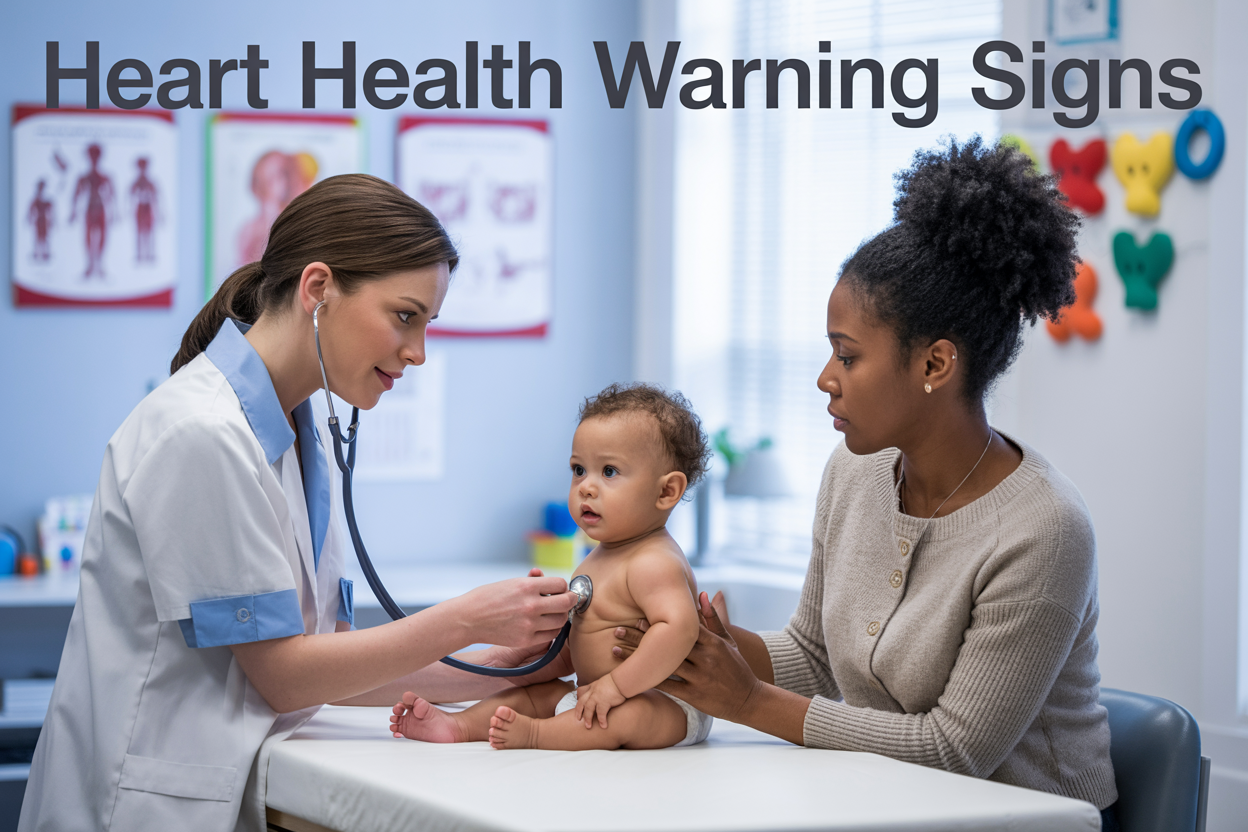
Recognizing Heart Problems in Infants and Toddlers: Critical Warning Signs Every Parent Needs to Know
Heart problems in infants and toddlers can be challenging to detect, as babies and young children cannot verbalize their discomfort. Parents and caregivers play a crucial role in identifying early warning signs that may indicate congenital heart defects or other pediatric heart conditions. Understanding these symptoms can make the difference between early intervention and delayed treatment.
This guide provides essential information for parents, grandparents, childcare providers, and healthcare professionals who care for children under three years old. The content covers the most important warning signs that warrant immediate attention and offers practical guidance for recognizing when medical evaluation becomes necessary.
The discussion will explore physical symptoms such as changes in skin color, breathing difficulties, and unusual fatigue that may signal heart defects in toddlers. Behavioral and feeding patterns will also be examined, including poor weight gain, excessive sweating during feeding, and unusual irritability that could indicate underlying cardiac issues. Finally, the guide will address when to seek immediate medical care and outline specific scenarios that require emergency attention versus routine pediatric consultation.
Early recognition of signs of heart disease in babies can lead to prompt diagnosis and treatment, potentially preventing serious complications and improving long-term outcomes for affected children.
Understanding Normal Heart Function in Young Children
How a Healthy Infant Heart Works Differently from Adult Hearts
A baby's heart operates as a remarkably efficient system, yet differs significantly from adult hearts in several key ways. The infant heart beats much faster than an adult's, pumping blood through a smaller circulatory system that's still adapting to life outside the womb.
During fetal development, babies receive oxygen through the placenta rather than their lungs. At birth, dramatic changes occur as the heart transitions to pumping blood through the lungs for oxygenation. The ductus arteriosus, a blood vessel that bypasses the lungs during pregnancy, typically closes within the first few days of life. This closure represents one of many structural changes that occur as the cardiovascular system matures.
The size difference also matters significantly. An infant's heart is roughly the size of their fist, making it proportionally larger relative to body size compared to adults. This smaller heart must work harder to circulate blood effectively throughout the growing body, which explains why babies naturally have elevated heart rates.
Blood pressure in infants starts much lower than adult levels and gradually increases with age. The heart muscle itself is less efficient initially, requiring more frequent contractions to maintain adequate circulation throughout the developing organs and tissues.
Expected Heart Rate Ranges for Infants and Toddlers
Heart rate ranges vary considerably based on age, activity level, and individual factors. Understanding these normal parameters helps parents recognize when something might be concerning.
Newborns (0-3 months):
-
Resting: 100-150 beats per minute
-
Active/crying: 150-200 beats per minute
Infants (3-6 months):
-
Resting: 90-120 beats per minute
-
Active: 120-160 beats per minute
Older infants (6-12 months):
-
Resting: 80-120 beats per minute
-
Active: 110-160 beats per minute
Toddlers (1-2 years):
-
Resting: 80-110 beats per minute
-
Active: 100-130 beats per minute
Sleep typically brings heart rates to the lower end of these ranges, while feeding, crying, or play pushes rates higher. Fever can increase heart rate by approximately 10 beats per minute for each degree of temperature elevation.
Parents should note that these ranges represent general guidelines. Some healthy children naturally run slightly higher or lower than these averages. Consistent patterns matter more than occasional variations.
Normal Breathing Patterns and What to Expect
Breathing patterns in young children differ markedly from adult patterns, often causing unnecessary worry among new parents. Understanding normal respiratory behavior helps distinguish typical development from potential heart problems in infants.
Typical breathing rates:
| Age Group | Normal Range (breaths per minute) |
|---|---|
| Newborns (0-6 months) | 30-60 |
| Infants (6-12 months) | 25-40 |
| Toddlers (1-2 years) | 20-35 |
Newborns commonly exhibit irregular breathing patterns called "periodic breathing." This involves brief pauses lasting 5-10 seconds followed by rapid breathing, which is completely normal during the first few months of life.
Young children breathe primarily through their diaphragm, causing their bellies to rise and fall more noticeably than their chests. This belly breathing is perfectly normal and gradually transitions to more chest-focused breathing as children grow.
Sleep breathing may appear irregular, with varying depths and occasional brief pauses. As long as these pauses don't exceed 20 seconds and the child's color remains normal, this pattern typically doesn't indicate heart problems in infants.
Babies often breathe faster when excited, feeding, or crying. Gradual return to normal rates after activity indicates healthy cardiovascular function. The coordination between heart rate and breathing rate develops over time, becoming more synchronized as the child's nervous system matures.
Physical Signs That Indicate Potential Heart Problems

Blue Coloring Around Lips, Fingernails, or Skin (Cyanosis)
Cyanosis represents one of the most critical physical signs that parents should never ignore when evaluating their child's cardiovascular health. This bluish discoloration occurs when oxygen levels in the blood drop below normal ranges, causing tissues to appear blue or purplish. The condition manifests most noticeably around the lips, fingernails, and skin, particularly during feeding, crying, or physical activity.
Central cyanosis affects the lips, tongue, and mucous membranes, typically signaling serious heart problems in infants and toddlers. This differs from peripheral cyanosis, which affects only the hands and feet and may occur due to cold temperatures. Parents should pay close attention to the timing and triggers of these color changes, as they often correlate with the severity of underlying congenital heart defects.
The presence of cyanosis during routine activities like feeding or mild exertion suggests that the heart cannot adequately pump oxygenated blood throughout the body. Some infants with heart defects in toddlers may exhibit intermittent cyanosis, while others display persistent discoloration that worsens with activity.
Excessive Sweating During Feeding or Light Activity
Diaphoresis, or excessive sweating, during seemingly effortless activities like feeding serves as a significant indicator of cardiac strain in young children. When the heart works harder than normal to meet the body's oxygen demands, it triggers compensatory mechanisms that include increased perspiration.
Parents often notice their babies becoming drenched in sweat during breastfeeding or bottle feeding, despite comfortable room temperatures. This sweating pattern differs markedly from normal infant perspiration and typically concentrates around the head, neck, and back. The excessive moisture may interfere with feeding sessions, causing babies to become fussy or fatigued before consuming adequate nutrition.
Signs of heart disease in babies frequently include this type of exertional sweating because the compromised cardiovascular system struggles to maintain proper circulation during activities that require minimal energy in healthy children. The sweating may accompany other symptoms like rapid breathing or irritability, creating a cluster of warning signs that warrant medical evaluation.
Rapid or Labored Breathing Patterns
Respiratory distress in infants and toddlers often signals underlying heart problems that require immediate attention. Normal breathing rates vary by age, but consistently elevated respiratory rates or visible breathing difficulties suggest cardiac compromise. Healthy newborns typically breathe 30-60 times per minute, while toddlers average 20-30 breaths per minute at rest.
Parents should observe for several breathing abnormalities that may indicate congenital heart defects symptoms:
-
Tachypnea: Breathing faster than age-appropriate rates
-
Retractions: Visible pulling in of the chest wall during inhalation
-
Nasal flaring: Widening of the nostrils with each breath
-
Grunting: Audible sounds during exhalation
-
Head bobbing: Movement of the head with breathing efforts
These breathing patterns occur because the heart cannot efficiently pump blood, leading to fluid accumulation in the lungs or inadequate oxygen delivery to tissues. The respiratory system compensates by working harder, creating the observable signs that alert parents to potential cardiac issues.
Poor Weight Gain Despite Adequate Feeding
Failure to thrive represents a concerning pattern where infants and toddlers fail to gain weight appropriately despite receiving adequate nutrition. This symptom often accompanies other signs of heart problems in infants because the cardiovascular system's inefficiency affects the body's ability to utilize nutrients effectively.
Children with heart conditions may experience feeding difficulties that contribute to poor growth patterns. The increased energy expenditure required for basic functions like breathing and circulation diverts calories away from growth and development. Additionally, frequent fatigue during feeding sessions may prevent babies from consuming sufficient quantities of breast milk or formula.
Healthcare providers track growth using standardized charts, and consistent drops in weight percentiles or failure to meet expected growth milestones may prompt cardiac evaluation. Parents should maintain detailed feeding logs and weight records to help healthcare professionals identify concerning trends early in the diagnostic process.
The combination of inadequate weight gain with other infant heart murmur warning signs creates a clinical picture that requires comprehensive pediatric cardiology assessment to determine appropriate treatment strategies.
Behavioral and Feeding Warning Signs
Difficulty feeding or frequent interruptions during meals
Feeding challenges often serve as early indicators of heart problems in infants and toddlers. When the heart cannot pump blood efficiently, babies may struggle to coordinate sucking, swallowing, and breathing during feeding sessions. This triple coordination becomes exhausting for infants with heart defects in toddlers or congenital heart defects symptoms.
Parents may notice their baby takes unusually long to finish bottles or breastfeeding sessions, frequently pausing to catch their breath. Some infants may only consume small amounts before pushing the bottle away or becoming too tired to continue. Weight gain typically lags behind expected growth patterns when feeding difficulties persist.
Sweating during feeding represents another red flag, as the extra effort required to eat becomes physically demanding for compromised cardiovascular systems. Babies may appear flushed or develop a bluish tint around their lips or fingernails during or immediately after meals.
Excessive fatigue during normal activities
Children with heart problems in infants often display energy levels significantly below their peers. Activities that should be effortless for healthy toddlers—such as playing with toys, crawling, or taking first steps—may leave affected children breathless and requiring frequent rest periods.
Sleep patterns may also change dramatically. While some children with heart conditions sleep more than usual due to constant fatigue, others experience restless sleep due to breathing difficulties or discomfort. Parents might observe their toddler preferring quiet, sedentary activities over active play, naturally conserving energy their body desperately needs.
During physical activities, these children may assume squatting positions instinctively, which helps improve blood flow to the heart and temporarily reduces symptoms. This behavior, known as "tet spells," particularly occurs in children with certain congenital heart conditions.
Irritability or restlessness without clear cause
Persistent fussiness in babies can signal underlying cardiac issues when no obvious triggers exist. Infants experiencing heart problems symptoms may cry more frequently and intensely than typical babies, often appearing inconsolable despite parents' best efforts to provide comfort.
This irritability stems from the body's struggle to maintain adequate oxygen levels throughout vital organs. The constant stress on their cardiovascular system creates ongoing discomfort that babies cannot verbally express. Parents may notice their child seems perpetually uncomfortable, arching their back, clenching fists, or displaying other signs of distress.
Sleep disturbances frequently accompany this irritability, with affected children having trouble settling down for naps or nighttime rest. The combination of poor sleep and underlying heart strain creates a cycle where irritability worsens, making it even harder for families to identify when to see doctor for infant heart concerns. These behavioral changes often develop gradually, making them easy to dismiss as normal infant fussiness until patterns become clearly established.
When Symptoms Require Immediate Medical Attention

Emergency signs that need instant care
Certain signs of heart disease in babies demand immediate emergency room visits without hesitation. Blue coloring around the lips, fingernails, or skin (cyanosis) signals oxygen deprivation and requires urgent medical intervention. Severe breathing difficulties where the infant cannot feed or cry properly indicate respiratory distress that could be cardiac-related.
Sudden collapse or episodes where the baby becomes limp and unresponsive represent medical emergencies. Infant heart murmur warning signs combined with these symptoms create particularly concerning situations. Cold, clammy skin with a grayish pallor often indicates poor circulation and inadequate heart function.
Chest pain in toddlers who can communicate, especially when combined with shortness of breath, should never be dismissed. Rapid heart rates exceeding normal ranges for age groups—over 160 beats per minute in infants or 120 in toddlers during rest—require immediate evaluation.
Progressive symptoms that worsen over time
Heart problems in infants often develop gradually, making pattern recognition crucial for parents and caregivers. Feeding difficulties that progressively worsen over days or weeks may indicate developing heart failure. Babies who previously fed normally but now tire quickly, sweat excessively during feeding, or refuse bottles entirely need cardiac evaluation.
Weight gain patterns provide valuable insights into cardiac health. Poor weight gain despite adequate caloric intake, or sudden weight loss, can signal worsening heart function. Congenital heart defects symptoms may manifest as increasing fatigue during previously tolerated activities.
Breathing patterns that become more labored over time, especially during sleep or rest, indicate progressive cardiac compromise. Parents might notice their child requiring more pillows to sleep comfortably or preferring to sleep sitting up. Exercise intolerance that worsens—where toddlers who once played actively now avoid physical activities—represents concerning cardiac deterioration.
Combination of multiple warning signs appearing together
Multiple early signs of heart problems in children appearing simultaneously create compound concerns requiring prompt medical attention. The combination of poor feeding, excessive sweating, rapid breathing, and failure to thrive represents a constellation of symptoms strongly suggesting cardiac issues.
Pediatric heart conditions often present with overlapping symptoms that individually might seem minor but collectively indicate serious problems. When blue coloring appears alongside breathing difficulties and poor feeding, the combination suggests significant cardiac compromise requiring specialized evaluation.
Parents should pay attention to clusters of symptoms: frequent respiratory infections combined with growth delays and exercise intolerance, or heart murmurs detected alongside feeding difficulties and excessive fatigue. Baby heart problems symptoms rarely occur in isolation, making pattern recognition essential for timely intervention.
Situations requiring pediatric cardiology referral
Primary care physicians should initiate pediatric heart conditions referrals when specific criteria are met. Any heart murmur detected in newborns within the first few days of life requires cardiac evaluation, as innocent murmurs are uncommon in this age group. Persistent murmurs beyond six months of age need specialist assessment to rule out structural abnormalities.
Heart defects in toddlers often warrant referral when symptoms interfere with normal development milestones. Children showing signs of heart failure, including persistent rapid breathing, poor feeding, and growth delays, need immediate cardiology consultation.
Family histories of congenital heart disease, sudden cardiac death in young relatives, or known genetic syndromes associated with cardiac abnormalities should prompt referrals even in asymptomatic children. Toddler heart symptoms parents should know that persist despite treatment for other conditions—such as breathing problems that don't improve with asthma medications—require cardiac evaluation.
Abnormal electrocardiogram results, chest X-rays showing heart enlargement, or echocardiogram abnormalities detected during routine screening automatically trigger cardiology referrals for comprehensive evaluation and management planning.
Common Heart Conditions in Infants and Toddlers
Congenital Heart Defects and Their Early Manifestations
Congenital heart defects represent the most common birth defects, affecting approximately 1 in 100 infants worldwide. These structural abnormalities develop during fetal heart formation and range from minor issues requiring no treatment to complex defects demanding immediate surgical intervention.
Septal Defects create openings between heart chambers, allowing blood to mix inappropriately. Ventricular septal defects (VSDs) and atrial septal defects (ASDs) often present with rapid breathing, poor feeding, and failure to thrive. Babies may appear blue around the lips and fingertips, particularly during crying or exertion.
Tetralogy of Fallot combines four heart abnormalities and typically causes cyanosis from birth. Affected infants frequently assume a squatting position to improve blood flow, experience clubbing of fingers and toes, and demonstrate poor weight gain.
Hypoplastic Left Heart Syndrome represents one of the most severe congenital heart defects. Newborns initially appear normal but rapidly develop breathing difficulties, poor feeding, and gray or blue skin coloration within the first few days of life.
Coarctation of the Aorta narrows the major blood vessel, creating high blood pressure in the upper body while reducing blood flow to lower extremities. Parents may notice weak or absent pulses in the legs and difficulty feeding.
Early recognition of these manifestations enables prompt medical evaluation and treatment, significantly improving outcomes for affected children.
Heart Murmurs: Innocent Versus Concerning Types
Heart murmurs occur in approximately 50% of children at some point during their development. Understanding the distinction between innocent and pathological murmurs proves essential for appropriate medical response.
Innocent Murmurs represent normal blood flow sounds that create no health concerns. These functional murmurs typically:
-
Sound soft and musical
-
Change intensity with position or activity level
-
Disappear when children lie down
-
Occur without other symptoms
-
Often become more noticeable during fever or excitement
Pathological Murmurs indicate underlying heart defects in infants and toddlers requiring medical attention. Warning characteristics include:
-
Harsh, loud, or blowing sounds
-
Persistence regardless of position changes
-
Association with symptoms like poor feeding, breathing difficulties, or excessive sweating
-
Presence from birth or early infancy
-
Accompanying signs of heart problems in infants
| Innocent Murmur Features | Concerning Murmur Features |
|---|---|
| Soft, musical quality | Harsh, loud sounds |
| Changes with position | Consistent regardless of position |
| No other symptoms | Associated symptoms present |
| Common during growth spurts | Present from birth |
| Disappears when lying down | Persistent in all positions |
Healthcare providers evaluate murmurs through physical examination, considering timing, location, and associated symptoms to determine whether further cardiac evaluation is necessary.
Arrhythmias in Young Children
Heart rhythm disturbances in infants and toddlers range from benign variations to life-threatening conditions requiring immediate intervention. Young children's hearts normally beat faster than adult hearts, with rates varying significantly based on age, activity, and emotional state.
Supraventricular Tachycardia (SVT) represents the most common arrhythmia requiring treatment in pediatric patients. Heart rates may exceed 220 beats per minute, causing symptoms such as:
-
Extreme fussiness or irritability
-
Difficulty feeding or eating
-
Rapid breathing or shortness of breath
-
Pale or gray skin coloration
-
Decreased activity levels
Bradycardia involves abnormally slow heart rates and may indicate serious underlying conditions. Signs include poor feeding, lethargy, breathing difficulties, and episodes of turning blue.
Premature Beats occasionally occur in healthy children and typically require no treatment. However, frequent irregular heartbeats accompanied by other symptoms warrant medical evaluation.
Long QT Syndrome affects the heart's electrical system and may cause sudden fainting spells, particularly during physical activity or emotional stress. Family history of sudden cardiac death or unexplained fainting episodes increases concern for this condition.
Parents should seek immediate medical attention when children experience rapid heart rates accompanied by breathing difficulties, extreme fussiness, feeding problems, or changes in skin color. Early recognition and treatment of significant arrhythmias prevent complications and ensure optimal outcomes for affected children.
Taking Action: Steps Parents Should Follow

Documenting Symptoms Effectively for Medical Consultations
Creating a comprehensive record of observed symptoms proves invaluable when discussing concerns with healthcare professionals. Parents should maintain a detailed log that includes specific times symptoms occur, their duration, and any associated activities or circumstances. Rather than noting "baby seemed tired," document observations like "became breathless after 10 minutes of feeding at 2:30 PM, required 15-minute rest before continuing."
Photograph or video concerning signs whenever possible. Visual documentation of color changes, unusual breathing patterns, or feeding difficulties provides physicians with concrete evidence to assess. Include measurements such as feeding times, amounts consumed, and weight changes. Modern smartphones make tracking straightforward - apps designed for infant care can streamline this documentation process.
Medical professionals appreciate specific details over general impressions. Record exact phrases like "lips turned blue around edges" instead of "baby looked off-color." Note environmental factors too - room temperature, recent activities, and emotional state all contribute to the clinical picture.
Preparing for Pediatric Cardiology Appointments
Arriving well-prepared maximizes consultation effectiveness and reduces anxiety. Compile all documentation, previous medical records, and any test results before the appointment. Create a written list of questions and concerns to prevent forgetting important points during what can become emotionally charged conversations.
Research the facility's procedures beforehand. Many pediatric cardiology centers require specific preparations - understanding whether fasting is necessary or if certain medications should be paused prevents last-minute complications. Pack comfort items for the child, including favorite toys, blankets, or snacks if permitted.
Bring a support person when possible. Having another adult present helps process information, ask additional questions, and provide emotional support. This person can take notes while primary focus remains on the child's comfort during examinations.
Consider timing carefully. Schedule appointments when children typically feel most alert and cooperative. Morning slots often work best for toddlers who may become cranky later in the day.
Building a Support Network with Healthcare Providers
Establishing strong relationships with medical professionals creates a foundation for ongoing care. Primary pediatricians serve as the central hub for coordinating specialist referrals and maintaining comprehensive health records. Building trust with this provider ensures concerns receive appropriate attention and timely specialist referrals when needed.
Develop communication preferences with the healthcare team. Some providers prefer email updates for non-urgent concerns, while others use patient portals or prefer phone calls. Understanding these preferences streamlines communication and ensures important information reaches the right person efficiently.
Pediatric cardiologists often work within larger healthcare systems that include nurse practitioners, social workers, and other specialists. Getting acquainted with the entire team provides multiple resources for different types of questions and support needs.
Emergency contact protocols require clear understanding. Know which symptoms require immediate emergency room visits versus those that can wait for urgent care appointments. Having these guidelines written down prevents confusion during stressful moments.
Managing Anxiety While Advocating for Child's Health
Balancing parental concern with effective advocacy requires emotional regulation strategies. When symptoms of heart problems in infants create worry, channeling that energy into productive action serves both parent and child better than allowing anxiety to overwhelm decision-making.
Staying informed without becoming overwhelmed involves seeking reliable medical sources rather than general internet searches that often increase anxiety. Pediatric cardiology organizations provide parent-focused educational materials that explain conditions without sensationalizing risks.
Trust professional medical judgment while maintaining appropriate vigilance. Healthcare providers understand that parents know their children best - sharing observations and concerns demonstrates advocacy without undermining medical expertise. Persistent concerns deserve attention, even when initial assessments seem reassuring.
Self-care remains essential during stressful periods. Parents managing potential pediatric heart conditions need emotional and physical strength to provide optimal support. Accepting help from family and friends, maintaining some normal routines, and seeking professional counseling when needed all contribute to better outcomes for the entire family.
Remember that most concerning symptoms have benign explanations, and even serious conditions often have excellent treatment outcomes when caught early. This balanced perspective helps maintain vigilance without constant panic.
Recognizing the warning signs of heart problems in young children can make a significant difference in a child's health outcomes. From subtle changes in skin color and breathing patterns to feeding difficulties and unusual fatigue, these early indicators often appear before more serious symptoms develop. Parents who understand what to watch for are better equipped to seek timely medical care when their child needs it most.
Early detection and prompt medical attention remain the best tools for managing pediatric heart conditions. When parents notice persistent symptoms like rapid breathing, poor weight gain, or excessive sweating during feeding, contacting a pediatrician immediately can help ensure proper evaluation and treatment. Building a strong relationship with healthcare providers and trusting parental instincts about changes in a child's behavior or appearance creates the foundation for protecting a child's heart health during these critical early years.




.jpg)


.jpg)
0 Comments