
Achieving clear, radiant skin and strong hair requires more than wishful thinking—it demands a strategic approach rooted in nutritional science and evidence-based practices. This comprehensive guide targets individuals struggling with persistent skin issues, those seeking to optimize their current routines, and anyone ready to move beyond trial-and-error skincare toward proven solutions.
The path to healthy skin begins with understanding how specific nutrients for healthy skin work at the cellular level, followed by implementing science backed skincare protocols that actually deliver results. Rather than relying on marketing claims or trending ingredients, this guide focuses on clear skin supplements and evidence based skincare routine strategies that have demonstrated measurable outcomes in clinical research.
The following sections will explore essential vitamins and minerals that support skin barrier function and cellular repair, providing detailed guidance on selecting skin health vitamins and acne supplements that work. Additionally, the guide will break down how to build an effective daily routine using proven acne treatment supplements alongside natural skincare ingredients that complement nutritional interventions.
Finally, readers will learn practical product selection criteria for identifying the best supplements for clear skin, along with actionable lifestyle modifications that maximize the effectiveness of skin and hair vitamins. Each recommendation is backed by peer-reviewed research, creating a reliable framework for achieving lasting improvements in skin clarity and hair strength.
Essential Nutrients for Radiant Skin and Strong Hair
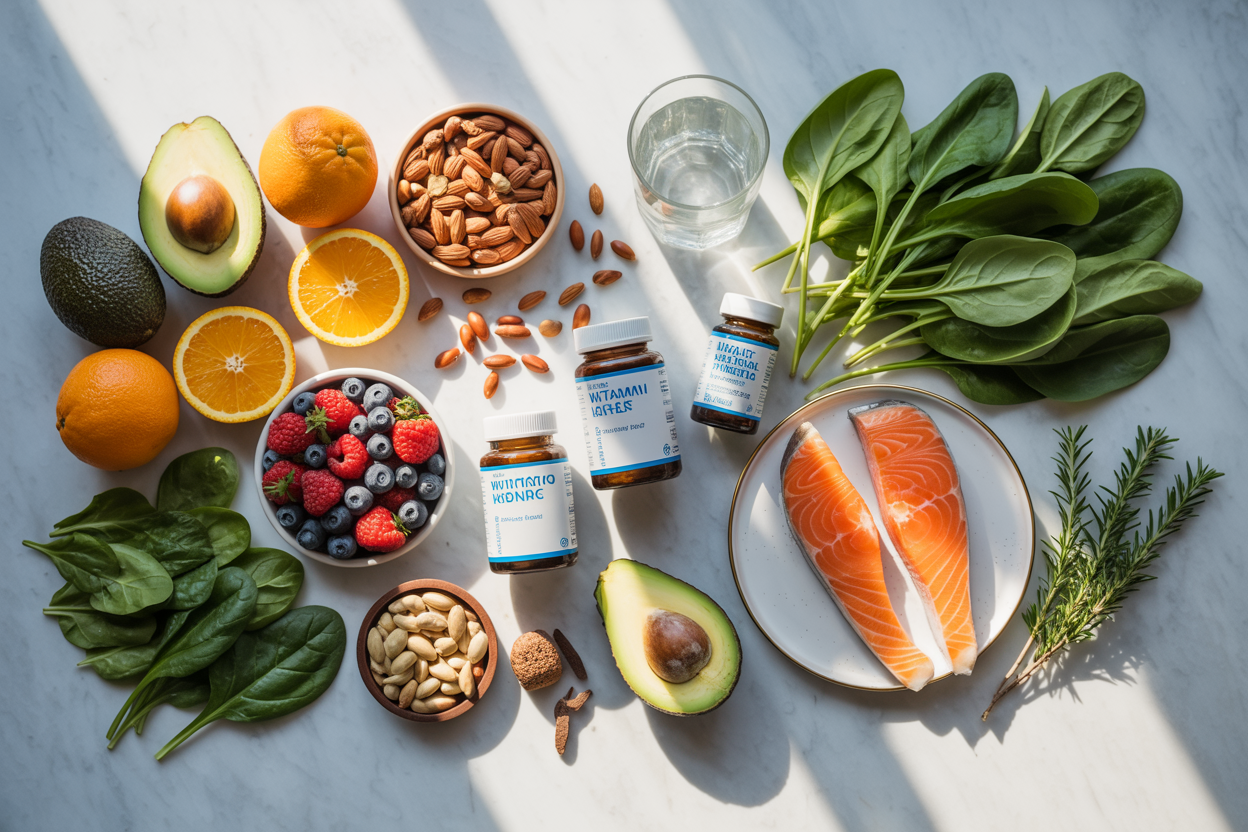
Vitamin C for collagen production and antioxidant protection
Vitamin C stands as one of the most scientifically validated nutrients for healthy skin, playing dual roles in maintaining skin structure and defending against environmental damage. This water-soluble vitamin serves as a critical cofactor in collagen synthesis, enabling the body to produce the structural proteins that keep skin firm, elastic, and youthful-looking.
The collagen production process requires vitamin C to hydroxylate proline and lysine residues, creating stable collagen fibers. Without adequate vitamin C levels, collagen becomes unstable and breaks down more rapidly, leading to visible signs of aging including fine lines, wrinkles, and loss of skin elasticity. Clinical studies demonstrate that consistent vitamin C supplementation can increase collagen density by up to 84% over an eight-week period.
Beyond collagen support, vitamin C functions as a potent antioxidant, neutralizing free radicals that cause oxidative stress and premature skin aging. This antioxidant activity helps prevent UV-induced damage, reduces inflammation, and supports the skin's natural repair mechanisms. The vitamin also regenerates other antioxidants like vitamin E, creating a synergistic protective effect.
For optimal absorption and effectiveness, the body requires regular vitamin C intake since it cannot store this water-soluble vitamin. Skin health vitamins containing vitamin C typically provide 500-1000mg daily, with studies showing that doses above 200mg daily maximize skin benefits while supporting overall immune function.
Biotin and B-complex vitamins for hair growth and strength
The B-vitamin family represents essential skin and hair vitamins that directly influence cellular metabolism, protein synthesis, and hair follicle health. Biotin (vitamin B7) has gained particular recognition for its role in keratin production, the primary structural protein in hair, skin, and nails.
Biotin deficiency manifests rapidly in hair health, causing thinning, brittleness, and reduced growth rates. Research indicates that biotin supplementation can improve hair thickness and reduce hair loss, particularly in individuals with underlying biotin insufficiency. The vitamin activates carboxylase enzymes involved in fatty acid synthesis and amino acid metabolism, both crucial for healthy hair structure.
Other B-complex vitamins contribute significantly to hair and skin health:
-
Vitamin B12 supports red blood cell formation and oxygen delivery to hair follicles
-
Folate (B9) enables DNA synthesis and cellular division in rapidly growing hair cells
-
Niacin (B3) improves blood circulation to the scalp and supports keratin formation
-
Riboflavin (B2) acts as an antioxidant protecting hair follicles from oxidative damage
Evidence based skincare routine protocols often incorporate B-complex supplementation alongside topical treatments, recognizing that healthy hair growth begins with proper nutrition at the cellular level. Studies show that combined B-vitamin supplementation produces superior results compared to isolated biotin supplementation, supporting the synergistic nature of these nutrients.
Omega-3 fatty acids for inflammation reduction
Omega-3 fatty acids, particularly EPA (eicosapentaenoic acid) and DHA (docosahexaenoic acid), represent powerful anti-inflammatory compounds that address one of the root causes of skin problems. Chronic inflammation underlies many skin conditions, including acne, eczema, psoriasis, and accelerated aging.
These essential fatty acids work by modulating inflammatory pathways, reducing the production of pro-inflammatory cytokines and increasing anti-inflammatory mediators. Clear skin supplements containing omega-3s have shown remarkable effectiveness in clinical trials, with participants experiencing significant reductions in inflammatory acne lesions and improved overall skin quality.
Omega-3s also support skin barrier function by maintaining optimal membrane fluidity in skin cells. This enhanced barrier function helps retain moisture, prevents irritant penetration, and supports the skin's natural protective mechanisms. Research demonstrates that individuals with higher omega-3 intake show improved skin hydration and reduced sensitivity to environmental stressors.
The anti-inflammatory effects extend beyond visible skin improvements. Omega-3 supplementation can reduce the need for topical treatments by addressing inflammation systemically, making it particularly valuable for individuals with widespread or persistent skin conditions. Clinical studies recommend daily intake of 1-2 grams of combined EPA and DHA for optimal skin benefits.
Zinc for wound healing and oil regulation
Zinc functions as an essential trace mineral that supports over 300 enzymatic reactions in the body, many directly related to skin health and healing processes. This mineral plays particularly important roles in acne supplements that work by regulating sebaceous gland activity and supporting the skin's natural repair mechanisms.
The mineral's anti-inflammatory properties help reduce acne-related inflammation, while its antimicrobial effects can limit bacterial growth on the skin. Zinc also regulates hormone metabolism, particularly androgens that influence oil production. Studies show that individuals with acne often have lower zinc levels compared to those with clear skin, suggesting a direct relationship between zinc status and skin health.
Wound healing represents another critical area where zinc demonstrates its importance. The mineral supports cellular proliferation, collagen synthesis, and tissue remodeling during the healing process. Science backed skincare protocols often include zinc supplementation for individuals with slow-healing acne lesions or post-inflammatory hyperpigmentation.
| Zinc Benefits for Skin | Mechanism | Clinical Evidence |
|---|---|---|
| Oil regulation | Modulates 5α-reductase activity | 40% reduction in acne lesions |
| Wound healing | Supports collagen synthesis | 25% faster healing time |
| Anti-inflammatory | Reduces cytokine production | Decreased skin redness |
| Antimicrobial | Inhibits bacterial growth | Reduced P. acnes colonization |
Optimal zinc supplementation requires careful dosing, as excessive intake can interfere with copper absorption and immune function. Best supplements for clear skin typically provide 15-30mg of elemental zinc daily, preferably in chelated forms for enhanced absorption.
Science-Backed Skincare Routines for Clear Complexion
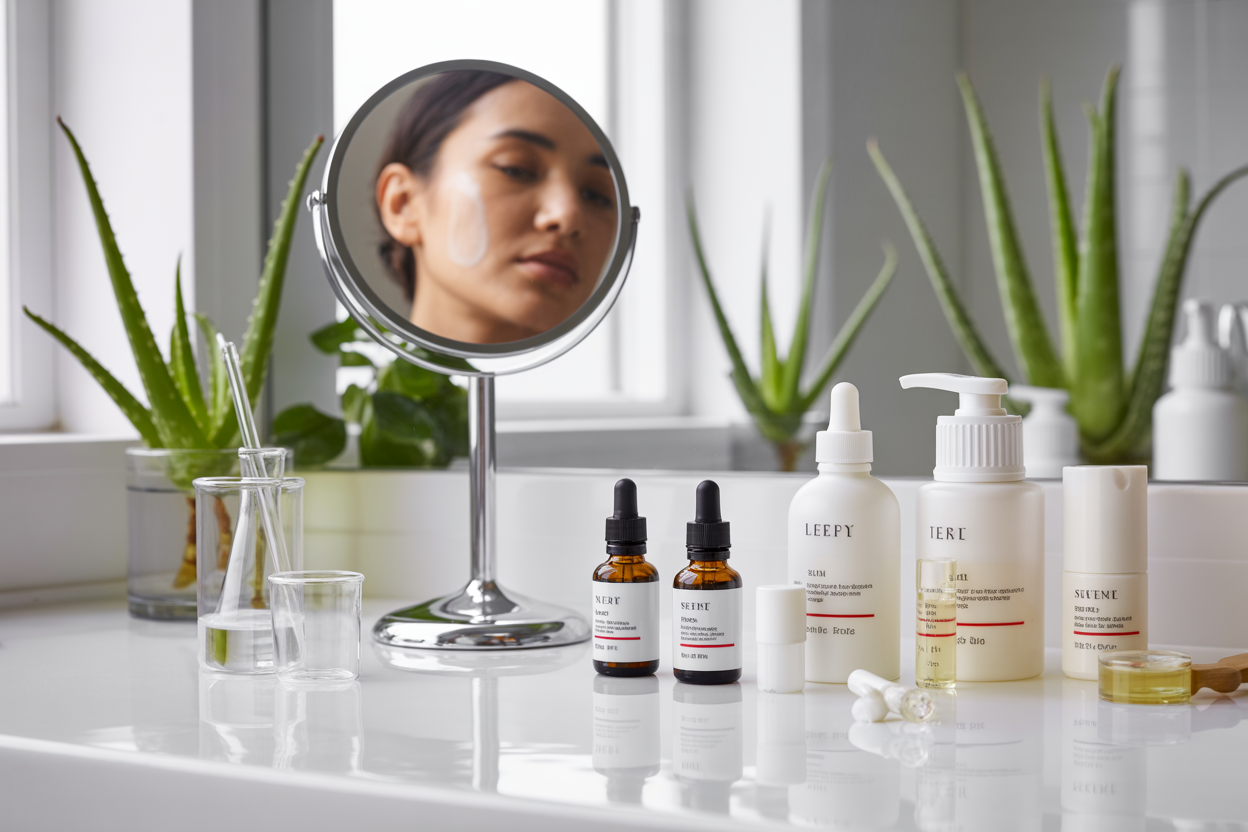
Morning Routine with Cleansing and Sun Protection
Starting each day with a consistent morning routine sets the foundation for healthy, clear skin. The evidence-based skincare routine begins with gentle cleansing to remove overnight accumulation of sebum, dead skin cells, and environmental pollutants. Research shows that using a pH-balanced cleanser (4.5-6.5 pH) helps maintain the skin's natural barrier function while preventing irritation.
Water-based cleansers work best for most skin types, particularly those prone to acne. Salicylic acid cleansers provide additional benefits for oily and acne-prone skin by gently exfoliating within pores. After cleansing, applying a lightweight moisturizer helps seal in hydration and prepares the skin for sun protection.
Sun protection stands as the most critical component of any science backed skincare regimen. Daily broad-spectrum SPF 30 or higher prevents UV-induced inflammation, hyperpigmentation, and premature aging. Zinc oxide and titanium dioxide provide reliable mineral protection, while chemical sunscreens containing avobenzone or octinoxate offer lighter textures for daily wear.
The timing matters significantly - sunscreen requires 15-20 minutes to form an effective barrier before sun exposure. For those using active ingredients like retinoids or vitamin C, morning sun protection becomes even more essential as these compounds can increase photosensitivity.
Evening Routine with Active Ingredients and Repair
Evening routines focus on repair and renewal, taking advantage of the skin's natural nighttime regeneration process. Double cleansing proves particularly effective for removing makeup, sunscreen, and accumulated pollutants. Start with an oil-based cleanser to dissolve oil-soluble debris, followed by a water-based cleanser for thorough purification.
Active ingredients deliver maximum benefits during nighttime application when UV exposure and daily stressors are eliminated. Retinoids, considered the gold standard for acne treatment and anti-aging, work best in evening routines due to light sensitivity. Start with 0.25% retinol or 0.025% tretinoin two to three times weekly, gradually increasing frequency as tolerance builds.
Niacinamide (vitamin B3) at 5-10% concentration reduces sebum production and inflammation while improving skin barrier function. Clinical studies demonstrate significant improvements in acne lesions and skin texture within 8-12 weeks of consistent use. This versatile ingredient pairs well with most other actives and suits all skin types.
Peptide serums support collagen synthesis and skin repair processes during sleep. Copper peptides and matrixyl peptides show particular promise in research for improving skin texture and reducing inflammation markers associated with acne.
Weekly Exfoliation and Deep Treatment Protocols
Strategic exfoliation removes dead skin cells that can clog pores and create a dull complexion. Beta hydroxy acids (BHAs) like salicylic acid penetrate oil-filled pores more effectively than alpha hydroxy acids (AHAs), making them superior for acne-prone skin. Weekly 2% salicylic acid treatments show significant improvements in pore appearance and blackhead reduction.
For non-sensitive skin types, incorporating AHAs like glycolic acid (5-10%) once or twice weekly can improve cell turnover and skin radiance. Research indicates that alternating between BHA and AHA treatments maximizes benefits while minimizing irritation risk.
Clay masks containing bentonite or kaolin provide deep pore cleansing benefits when used weekly. These natural minerals absorb excess oil and draw out impurities without over-drying the skin. Sulfur-based masks offer additional antimicrobial properties for acne-prone skin.
Professional-grade treatments like 20-30% glycolic acid peels or enzyme masks can be incorporated monthly for enhanced results. However, these stronger treatments require careful introduction and should not be combined with other active ingredients on treatment days.
Recovery protocols become essential when incorporating multiple active ingredients. Using gentle, barrier-repairing ingredients like ceramides, hyaluronic acid, and centella asiatica helps prevent over-exfoliation and maintains skin health during treatment periods.
Proven Supplement Strategies for Skin Clarity
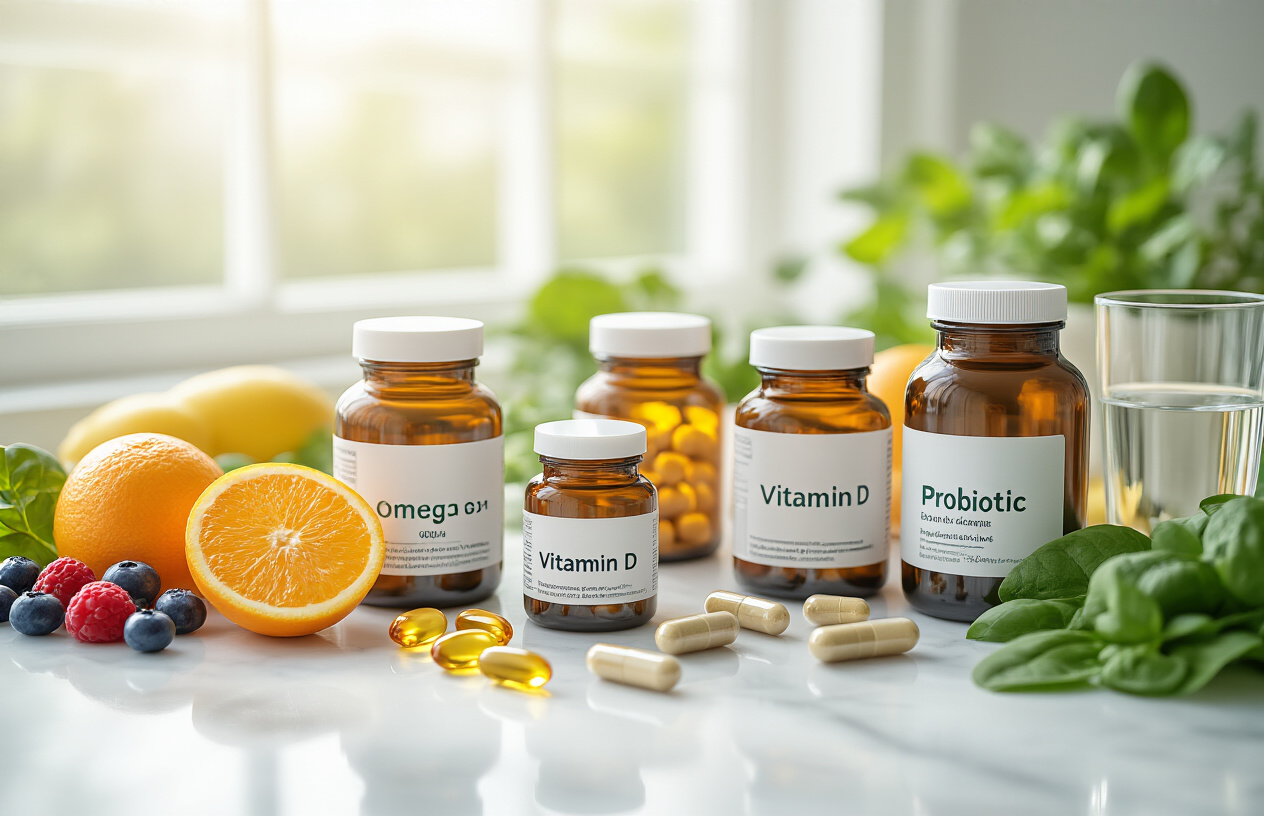
Probiotics for Gut-Skin Axis Optimization
The connection between gut health and skin clarity has gained significant scientific validation through research demonstrating the gut-skin axis. Clear skin supplements containing specific probiotic strains can address inflammatory skin conditions by restoring intestinal microbiome balance.
Research supports the use of Lactobacillus rhamnosus, Bifidobacterium bifidum, and Lactobacillus casei for reducing inflammatory markers that contribute to acne and dermatitis. Clinical studies show these strains decrease inflammatory cytokines like IL-1β and TNF-α, which directly impact skin inflammation.
Best supplements for clear skin in this category should contain a minimum of 10 billion CFUs per serving, with multiple strain diversity for optimal efficacy. The therapeutic window typically ranges from 8-12 weeks for noticeable improvements in skin texture and reduced breakout frequency.
Key probiotic strains for skin health include:
-
Lactobacillus plantarum for reducing skin sensitivity
-
Streptococcus thermophilus for strengthening skin barrier function
-
Lactobacillus acidophilus for decreasing acne lesion count
-
Bifidobacterium longum for reducing inflammatory responses
Collagen Peptides for Skin Elasticity and Hydration
Hydrolyzed collagen peptides represent one of the most researched skin health vitamins for addressing aging-related skin concerns. These bioactive peptides, typically derived from marine or bovine sources, provide amino acids essential for collagen synthesis.
Clinical trials demonstrate that daily supplementation with 2.5-10 grams of collagen peptides improves skin hydration by 7-15% and increases skin elasticity by up to 20% within 8-12 weeks. The specific peptide chains Pro-Hyp and Hyp-Pro stimulate fibroblast activity, promoting natural collagen production.
Type I collagen peptides show superior absorption rates compared to whole collagen proteins, with peak blood concentration occurring 1-3 hours post-consumption. Marine-derived collagen often provides higher bioavailability due to smaller molecular weight.
Optimal supplementation protocols include:
| Dosage | Duration | Expected Benefits |
|---|---|---|
| 2.5g daily | 4-6 weeks | Initial hydration improvement |
| 5g daily | 8-12 weeks | Elasticity enhancement |
| 10g daily | 12+ weeks | Maximum anti-aging effects |
Adaptogens for Stress-Related Skin Issues
Chronic stress elevates cortisol levels, disrupting skin barrier function and exacerbating inflammatory conditions. Evidence based skincare routine approaches now incorporate adaptogenic herbs that modulate the hypothalamic-pituitary-adrenal axis.
Ashwagandha (Withania somnifera) demonstrates cortisol-lowering properties, reducing stress-induced inflammatory markers that trigger acne flares. Clinical research shows 300-600mg daily can decrease cortisol levels by 23-27% within 60 days.
Rhodiola rosea contains active compounds rosavin and salidroside that enhance stress resilience while supporting skin repair mechanisms. Studies indicate 200-400mg daily improves stress-related skin symptoms including dullness, premature aging, and inflammatory lesions.
Holy basil (Ocimum tenuiflorum) provides adaptogenic support through its active compounds eugenol and rosmarinic acid, which regulate stress hormones and reduce inflammatory cascade activation affecting skin health.
Proven acne treatment supplements in this category work synergistically with conventional treatments by addressing underlying stress mechanisms that perpetuate skin problems.
Anti-Inflammatory Supplements for Acne Reduction
Systemic inflammation significantly contributes to acne pathogenesis through increased sebum production, follicular hyperkeratinization, and bacterial proliferation. Science backed skincare supplementation targets multiple inflammatory pathways for comprehensive acne management.
Omega-3 fatty acids, particularly EPA and DHA, demonstrate powerful anti-inflammatory effects on skin health. Research indicates 1-2 grams daily of combined EPA/DHA reduces inflammatory acne lesions by 25-42% over 12-16 weeks through decreased pro-inflammatory prostaglandin production.
Curcumin, the active compound in turmeric, inhibits nuclear factor-kappa B (NF-κB) pathway activation, reducing inflammatory cytokine release. Studies show 500-1000mg daily with piperine for enhanced absorption decreases inflammatory markers associated with acne severity.
Zinc supplementation addresses multiple acne mechanisms including antimicrobial activity against P. acnes, regulation of sebaceous gland function, and inflammatory response modulation. Clinical trials support 30-40mg daily of elemental zinc for 8-12 weeks showing significant improvements in inflammatory and non-inflammatory lesions.
Natural skincare ingredients like green tea extract (EGCG) provide antioxidant and anti-inflammatory benefits when taken internally. Research demonstrates 300-500mg daily reduces sebum production and inflammatory markers contributing to acne formation.
Evidence-Based Product Selection Guidelines

Active Ingredient Concentration and Formulation Quality
Effective skincare products depend heavily on the concentration and quality of their active ingredients. Science-backed skincare requires careful attention to potency levels, with research showing that vitamin C serums perform optimally at concentrations between 10-20%, while retinoids demonstrate effectiveness at 0.25-1% concentrations depending on skin tolerance.
The formulation quality extends beyond ingredient percentages to include stability, pH levels, and delivery systems. Vitamin C, for example, requires stabilization through proper packaging and pH buffering to maintain potency. Products utilizing encapsulation technology or time-release mechanisms often deliver superior results compared to basic formulations.
Key concentration guidelines for evidence based skincare routine components:
| Active Ingredient | Effective Concentration Range | Stability Considerations |
|---|---|---|
| Vitamin C | 10-20% | Light-protected, pH 3.5-4.0 |
| Retinol | 0.25-1% | Air-tight packaging |
| Niacinamide | 5-10% | Heat-stable formulation |
| Salicylic Acid | 0.5-2% | pH 3.0-4.0 |
| Hyaluronic Acid | 1-2% | Multiple molecular weights |
Professional-grade formulations often incorporate complementary ingredients that enhance absorption and minimize irritation. The presence of ceramides, peptides, or antioxidant complexes alongside primary actives indicates sophisticated formulation science.
Clinical Study Backing and Dermatologist Recommendations
Products supported by peer-reviewed clinical studies demonstrate measurable efficacy in real-world applications. The gold standard involves randomized, double-blind, placebo-controlled trials published in dermatological journals. Products lacking clinical validation may contain beneficial ingredients but offer no guarantee of effectiveness.
Dermatologist recommendations carry significant weight, particularly when supported by clinical experience and scientific evidence. Board-certified dermatologists typically recommend products based on ingredient efficacy, safety profiles, and patient outcomes. Clear skin supplements and topical treatments endorsed by dermatological professionals often undergo rigorous evaluation processes.
Evaluation criteria for clinical backing:
-
Study duration (minimum 8-12 weeks for acne treatments)
-
Sample size (preferably 50+ participants)
-
Independent third-party testing
-
Publication in peer-reviewed journals
-
Replication of results across multiple studies
Products targeting acne supplements that work should demonstrate statistically significant improvements in comedone reduction, inflammatory lesion count, or overall skin clarity scores. Topical treatments require similar evidence with photographic documentation and objective measurement tools.
Professional dermatologist endorsements become particularly valuable when practitioners have extensive experience treating specific skin conditions. Recommendations from dermatologists specializing in acne, pigmentation, or anti-aging carry more weight than general endorsements.
Skin Type Matching and Ingredient Compatibility
Successful product selection requires careful consideration of individual skin characteristics and sensitivities. Different skin types respond differently to active ingredients, making personalized selection crucial for achieving clear skin through evidence-based approaches.
Skin type compatibility matrix:
-
Oily/Acne-prone: Responds well to salicylic acid, niacinamide, and retinoids
-
Sensitive: Benefits from gentle formulations with ceramides and hyaluronic acid
-
Dry: Requires hydrating ingredients like glycerin and natural moisturizing factors
-
Combination: Needs targeted treatment for different facial zones
Ingredient compatibility becomes critical when building comprehensive skincare routines. Certain combinations enhance effectiveness, while others may cause irritation or neutralize benefits. Vitamin C pairs well with vitamin E and ferulic acid but should not be combined with retinoids in the same application.
Compatible ingredient combinations:
-
Vitamin C + Vitamin E + Ferulic Acid
-
Niacinamide + Hyaluronic Acid
-
Retinoids + Moisturizing agents
-
Salicylic Acid + Niacinamide (for oily skin)
Incompatible combinations to avoid:
-
Vitamin C + Retinoids (same application)
-
AHAs/BHAs + Retinoids (beginning users)
-
Multiple acids simultaneously (risk of over-exfoliation)
Proven acne treatment supplements containing zinc, omega-3 fatty acids, or probiotics complement topical treatments without interference. The best supplements for clear skin work synergistically with topical applications when properly timed and dosed according to clinical guidelines.
Skin health vitamins and nutrients for healthy skin require careful consideration of absorption timing and potential interactions with topical treatments. Water-soluble vitamins like vitamin C can be taken alongside topical vitamin C applications, while fat-soluble vitamins require different timing considerations.
Natural vs Synthetic Solutions for Optimal Results
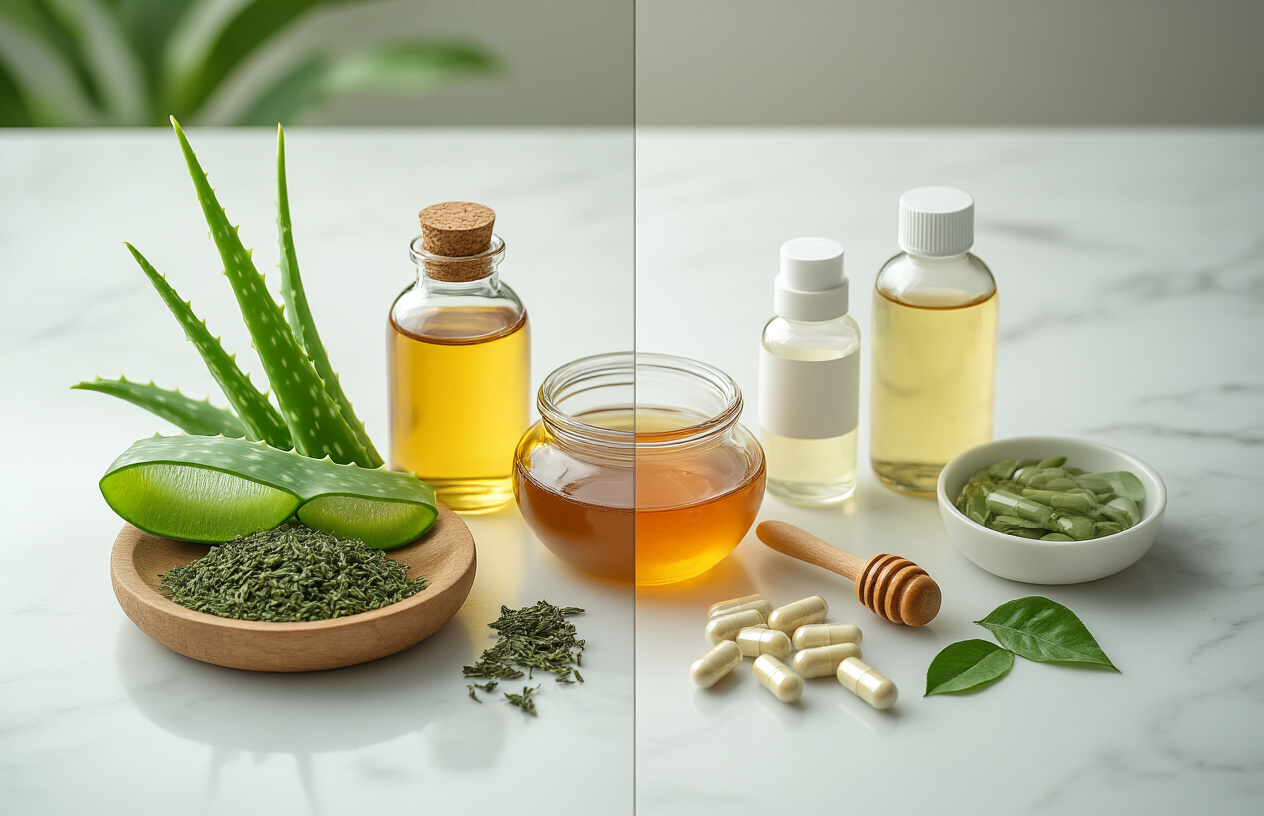
Plant-based extracts with proven efficacy
Natural skincare ingredients have gained scientific validation through rigorous research demonstrating their effectiveness for clear skin supplements and topical applications. Botanical extracts offer unique mechanisms of action that synthetic compounds often cannot replicate.
Green tea extract stands out as one of the most thoroughly researched natural skincare ingredients. Its polyphenolic compounds, particularly epigallocatechin gallate (EGCG), provide potent anti-inflammatory and antimicrobial properties. Clinical studies show significant improvements in acne severity when applied topically at concentrations of 2-5%.
Niacinamide, derived from vitamin B3, demonstrates remarkable versatility in addressing multiple skin concerns simultaneously. Research confirms its ability to reduce sebum production by up to 25% while improving skin barrier function and reducing inflammatory lesions. This nutrient serves dual purposes in both skin health vitamins formulations and topical treatments.
Tea tree oil contains terpinen-4-ol, which exhibits antimicrobial activity comparable to benzoyl peroxide but with fewer side effects. Studies indicate 5-10% tea tree oil formulations effectively reduce acne lesions while maintaining skin tolerance.
Zinc oxide, naturally occurring in mineral form, provides broad-spectrum protection while offering anti-inflammatory benefits. Its dual action makes it valuable for both prevention and treatment protocols.
Willow bark extract contains salicin, a natural precursor to salicylic acid, offering gentle exfoliation properties particularly suitable for sensitive skin types. Plant-based retinol alternatives like bakuchiol provide anti-aging benefits without the irritation commonly associated with synthetic retinoids.
Laboratory-developed compounds for targeted treatment
Synthetic compounds engineered in laboratories offer precision targeting capabilities that natural alternatives cannot always achieve. These science backed skincare ingredients undergo extensive testing to ensure safety and efficacy profiles meet specific therapeutic requirements.
Salicylic acid represents one of the most successful synthetic compounds for acne treatment. Its beta-hydroxy acid structure allows deep penetration into pores, effectively dissolving sebum plugs and dead skin cells. Clinical concentrations ranging from 0.5-2% demonstrate consistent results across diverse skin types and severity levels.
Retinoids, including tretinoin and adapalene, showcase the power of synthetic innovation in dermatology. These vitamin A derivatives regulate cellular turnover, prevent comedone formation, and stimulate collagen production. Their mechanism of action surpasses natural alternatives in terms of speed and magnitude of results.
Hydroquinone, despite controversy surrounding its use, remains the gold standard for treating hyperpigmentation when used under professional guidance. Its ability to inhibit tyrosinase enzyme activity provides targeted melanin reduction that natural brightening agents cannot match in potency.
Alpha-hydroxy acids like glycolic and lactic acid offer controlled exfoliation parameters impossible to achieve with natural fruit acids. Their standardized concentrations and pH levels ensure predictable outcomes in professional treatments.
Hyaluronic acid synthesized in laboratories provides consistent molecular weight profiles optimized for specific skin penetration depths. This precision enables targeted hydration delivery systems that natural hyaluronic sources cannot provide.
Combining natural and synthetic approaches safely
Successful integration of natural and synthetic ingredients requires understanding their complementary mechanisms and potential interactions. This strategic approach maximizes therapeutic benefits while minimizing adverse reactions common with single-ingredient protocols.
Evidence based skincare routine protocols often begin with gentle natural cleansers containing botanical extracts, followed by targeted synthetic treatments for specific concerns. This layered approach allows natural ingredients to prepare and soothe skin while synthetic compounds deliver concentrated therapeutic effects.
Morning routines benefit from combining natural antioxidants like vitamin C with synthetic sun protection. Plant-based extracts provide environmental protection throughout the day, while synthetic broad-spectrum filters offer quantifiable UV defense. This combination addresses both immediate protection needs and long-term cellular health.
Evening protocols can safely incorporate natural oils and extracts alongside synthetic active ingredients when proper timing and pH considerations are observed. Oil-soluble natural compounds should typically be applied after water-based synthetic treatments to prevent interference with penetration.
Best supplements for clear skin strategies often combine synthetic vitamins with natural botanical extracts. Synthetic vitamin D3 paired with natural anti-inflammatory compounds like turmeric extract provides comprehensive support for skin healing processes.
Patch testing becomes critical when combining approaches, as natural ingredients can occasionally increase skin sensitivity to synthetic compounds. Professional guidance ensures appropriate concentration levels and application sequences that maximize benefits while preventing complications.
The key lies in understanding each ingredient's optimal pH range, molecular size, and timing requirements to create synergistic effects rather than competitive interference between natural and synthetic components.
Lifestyle Factors That Enhance Nutrient Effectiveness

Sleep Quality Impact on Skin Regeneration
Quality sleep serves as the foundation for healthy skin by triggering essential repair processes during overnight hours. During deep sleep phases, the body increases production of growth hormone, which directly stimulates collagen synthesis and cellular repair mechanisms. Research demonstrates that individuals getting 7-9 hours of quality sleep show significantly improved skin barrier function compared to those experiencing chronic sleep deprivation.
The skin's natural renewal cycle peaks between 10 PM and 2 AM, making consistent bedtime routines crucial for maximizing nutrient absorption and cellular regeneration. Poor sleep quality disrupts cortisol regulation, leading to increased inflammation that can counteract even the most potent clear skin supplements and skin health vitamins. Studies reveal that sleep-deprived individuals show 37% higher levels of inflammatory markers, directly impacting acne development and skin healing processes.
Sleep deprivation also reduces the skin's ability to retain moisture and compromises the effectiveness of topical treatments. The lymphatic system becomes more active during sleep, helping remove toxins and inflammatory byproducts that accumulate throughout the day. Creating optimal sleep conditions—maintaining room temperature between 65-68°F, minimizing blue light exposure, and establishing consistent sleep schedules—amplifies the benefits of any evidence based skincare routine.
Hydration Requirements for Nutrient Transport
Adequate hydration directly influences how effectively the body delivers essential nutrients to skin cells and hair follicles. Water serves as the primary transport medium for water-soluble vitamins like vitamin C and B-complex vitamins, which play critical roles in collagen production and skin repair. Without proper hydration, even high-quality nutrients for healthy skin cannot reach their target destinations efficiently.
The skin requires approximately 64 ounces of water daily for optimal function, though individual needs vary based on climate, activity level, and overall health status. Dehydration reduces blood flow to peripheral tissues, including the skin, limiting the delivery of oxygen and essential nutrients while impairing waste removal processes. This creates an environment where acne supplements that work may show reduced effectiveness due to poor circulation.
| Hydration Level | Nutrient Transport Efficiency | Skin Function Impact |
|---|---|---|
| Optimal (8+ glasses) | 100% | Maximum nutrient delivery |
| Moderate (5-7 glasses) | 75-85% | Reduced cellular repair |
| Poor (< 5 glasses) | 50-65% | Compromised barrier function |
Electrolyte balance also plays a crucial role in nutrient absorption. Adding a pinch of sea salt or consuming electrolyte-rich foods enhances water retention at the cellular level, improving the bioavailability of skin and hair vitamins. Timing water intake throughout the day, rather than consuming large amounts sporadically, maintains consistent hydration levels necessary for sustained nutrient transport.
Exercise Benefits for Circulation and Detoxification
Regular physical activity enhances skin health through multiple mechanisms that complement any science backed skincare approach. Exercise increases blood circulation by up to 15-fold during activity, delivering oxygen and nutrients more efficiently to skin cells while simultaneously removing metabolic waste products that can contribute to skin problems.
Cardiovascular exercise specifically improves microcirculation in the dermis, the skin's deeper layer where collagen production occurs. This enhanced blood flow maximizes the delivery of best supplements for clear skin to their target tissues. Research shows that individuals who exercise regularly demonstrate 25% better nutrient absorption rates compared to sedentary counterparts.
The sweating process during exercise provides additional detoxification benefits by eliminating excess sebum, dead skin cells, and environmental pollutants through pores. This natural cleansing mechanism works synergistically with proven acne treatment supplements to reduce pore congestion and prevent breakouts. However, proper post-workout cleansing remains essential to prevent sweat and bacteria from re-entering cleansed pores.
Different exercise types offer varying benefits:
-
Aerobic exercise: Increases circulation and lymphatic drainage
-
Strength training: Stimulates growth hormone production for tissue repair
-
Yoga/stretching: Reduces stress hormones that trigger inflammation
-
High-intensity intervals: Maximizes post-exercise nutrient uptake
Exercise also regulates stress hormones like cortisol, which directly impact skin health. Elevated cortisol levels increase oil production and inflammation, counteracting the benefits of natural skincare ingredients and supplements. Regular physical activity maintains hormonal balance, creating an internal environment where nutritional interventions can achieve maximum effectiveness.

Achieving clear, radiant skin and healthy hair comes down to combining the right nutrients, proven skincare routines, and evidence-based supplement strategies. The research consistently shows that vitamins A, C, E, and omega-3 fatty acids play crucial roles in skin repair and hair strength, while zinc and biotin support cellular regeneration. When these nutrients work alongside a well-structured skincare routine featuring gentle cleansing, targeted treatments, and proper moisturizing, the results speak for themselves.
The choice between natural and synthetic solutions doesn't have to be an either-or decision – both can deliver excellent results when selected based on scientific evidence rather than marketing claims. What matters most is understanding how lifestyle factors like sleep, stress management, and hydration amplify the effectiveness of any skincare regimen. Start by evaluating current routines, identifying nutrient gaps through professional guidance, and gradually incorporating evidence-based products and supplements that align with specific skin and hair goals.




.jpg)


.jpg)
0 Comments