
 Maintaining kidney health is key for feeling good. The kidneys filter waste and excess fluids. They also help control blood pressure and support bones. Eating right and living well can really help your kidneys.
Eating a diet full of fruits, veggies, and whole grains is good for your kidneys. Drinking plenty of water, exercising, and managing stress are also important. This article will show you how to eat and live to keep your kidneys healthy.
Key Takeaways
- Understand the importance of kidney health and its impact on overall well-being.
- Learn dietary approaches to support kidney function.
- Discover lifestyle modifications that can contribute to kidney care.
- Explore product recommendations for maintaining optimal kidney health.
- Find out how to manage stress and stay hydrated for better kidney health.
Medical Disclaimer: The info here is for learning only. It's not medical advice. Always talk to a doctor before changing your diet or lifestyle.
Affiliate Disclosure: This article might have links to products that help kidney health. We might get a commission if you buy through these links.
Understanding Your Kidneys: Essential Functions and Common Issues
Kidney health
Your kidneys are vital for your health. Knowing how they work is important for renal function improvement. They do many things to keep your body balanced.
The Vital Role of Kidneys in Your Body
Kidneys filter waste from your blood and control blood pressure. They also keep electrolyte levels balanced. Plus, they make hormones for bone health and red blood cells. Learning about these roles helps you support your kidney health.
Signs of Declining Kidney Function
Signs of kidney decline include leg swelling, fatigue, and changes in how you pee. Spotting these signs early can lead to better kidney health.
Risk Factors for Kidney Disease
Diabetes, high blood pressure, and family history of kidney issues raise your risk. Knowing these can help you prevent kidney disease and boost kidney function.
Understanding your kidneys and their role is key. Being aware of decline signs and risk factors helps you keep your kidneys healthy.
Medical Disclaimer: Before Making Health Changes

Before you make big changes to your health, it's key to talk to a healthcare expert. This is very important when you're looking to improve your kidney function.
Importance of Consulting Healthcare Providers
Talking to a healthcare provider is a must. They can make sure any changes you make are safe for you. They consider your health history, current status, and other important factors.
This Article is Informational, Not Medical Advice
The info in this article is for general knowledge only. It's not medical advice. Even though we try to give the latest on improving kidney function, always check with a healthcare expert before making health decisions.
Affiliate Disclosure: Transparency in Product Recommendations
At Dannmedia, we value transparency in our product recommendations. We aim to support kidney function with care. Our goal is to be a trusted source for kidney health info.
How We Select Products for Recommendation
Our team works hard to pick the best products. We look at their quality, how well they work, and if they're good for kidney health. We check things like:
- What's in the product and how it affects kidney function support
- The company's reputation and what customers say
- Any scientific studies that back up the product's claims
How Affiliate Partnerships Support Our Content
We join affiliate programs to keep our content top-notch. Buying a product through our link helps us. It lets us keep sharing info on kidney function support.
The Foundation of Kidney Health: Hydration and Water Intake

Drinking enough water is key to keeping your kidneys healthy. Your kidneys need water to filter out waste from your blood. Without enough, they can't do their job well.
How Proper Hydration Supports Kidney Function
Drinking the right amount of water is vital for your kidneys. It helps them filter waste and toxins from the blood. When you're well-hydrated, your kidneys work better, lowering the risk of problems like kidney stones.
Hydration also keeps blood flowing to your kidneys. This is important for their health.
Determining Your Optimal Daily Water Intake
Finding the right amount of water to drink each day can be tricky. It depends on your age, sex, weight, and how active you are. A common rule is to drink at least eight 8-ounce glasses of water a day.
But, some people might need more. Remember, other sources of hydration like fruits and vegetables also count.
Tips for Maintaining Consistent Hydration
To stay hydrated, try a few simple habits. Start by drinking a glass of water as soon as you wake up. This helps rehydrate after a night of sleep.
Also, set reminders throughout the day to drink water at regular times. Eating hydrating foods can also help meet your fluid needs.
By understanding the importance of hydration and using these tips, you can help keep your kidneys healthy and improve your overall well-being.
Dietary Approaches to Improve Kidney Function

Certain diets can naturally boost kidney function. A well-planned diet supports kidney health, lowering disease risk. We'll look at three diets that help: the DASH diet, the Mediterranean diet, and plant-based eating.
The DASH Diet and Kidney Health
The DASH diet helps manage blood pressure, key for kidney health. It focuses on whole grains, fruits, veggies, lean proteins, and low-fat dairy. These foods cut sodium and boost potassium, calcium, and magnesium, vital for healthy blood vessels and kidneys.
Key Components of the DASH Diet:
- High intake of fruits and vegetables
- Whole grains instead of refined grains
- Lean protein sources like poultry and fish
- Low-fat dairy products
- Reduced sodium intake
Mediterranean Diet Benefits for Renal Function
The Mediterranean diet is full of antioxidants and healthy fats. It fights inflammation and supports kidney health. It's rich in whole grains, fruits, veggies, and healthy fats like olive oil. It also includes dairy, fish, and poultry in moderation, while limiting red meat.
| Dietary Component | Mediterranean Diet Focus |
|---|---|
| Fats | Healthy fats like olive oil |
| Protein | Moderate amounts of fish and poultry |
| Grains | Whole grains |
| Fruits and Vegetables | High intake |
Plant-Based Eating for Kidney Support
Plant-based diets, like vegetarian and vegan, boost kidney function. They cut down on animal protein, good for kidneys. These diets are full of fiber, vitamins, and minerals, and low in saturated fats and cholesterol.
Benefits of Plant-Based Eating for Kidneys:
- Reduced risk of kidney disease progression
- Lower blood pressure
- Improved overall cardiovascular health
In conclusion, the DASH diet, Mediterranean diet, and plant-based eating support kidney health. Making smart food choices helps maintain kidney function and overall health.
Critical Nutrients and Foods for Kidney Health
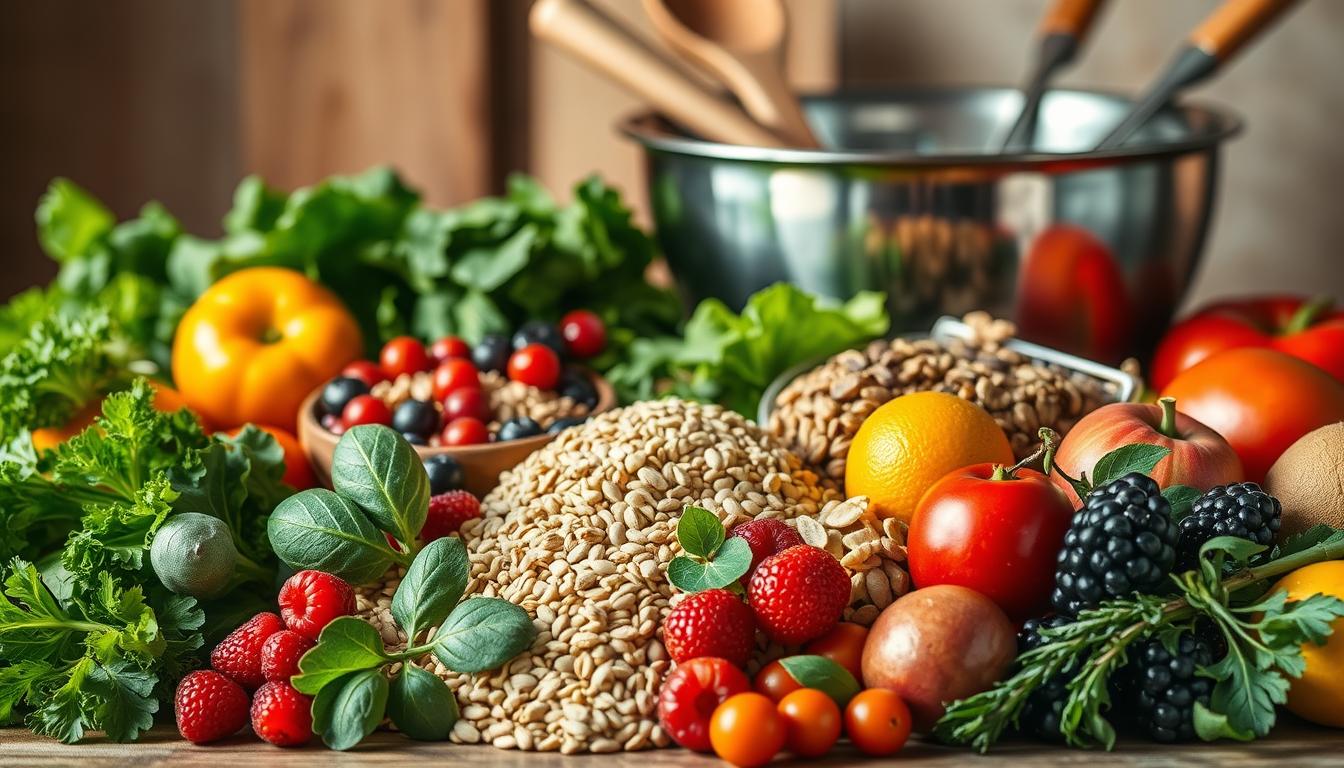
Keeping your kidneys healthy starts with what you eat. It's important to eat foods that help your kidneys work well. A balanced diet is key for kidney function enhancement and good health.
Potassium Management: Finding the Right Balance
Potassium is important for keeping fluids balanced and blood pressure right. But, people with kidney disease might need to eat less potassium. Foods like bananas, leafy greens, and avocados are high in potassium.
It's important to find the right amount of potassium. Too much can be hard on your kidneys.
Phosphorus and Sodium: Minerals to Monitor
Phosphorus and sodium are minerals to watch closely for kidney care. Too much phosphorus can harm bones and minerals. Too much sodium can raise blood pressure, which is hard on the kidneys.
Try to eat less processed foods. They often have a lot of sodium and phosphorus.
| Mineral | Foods to Limit | Health Impact |
|---|---|---|
| Phosphorus | Processed meats, dairy products | Bone and mineral disorders |
| Sodium | Canned goods, processed snacks | Increased blood pressure |
Antioxidant-Rich Foods for Kidney Protection
Eating foods high in antioxidants can protect your kidneys. Berries, leafy greens, and other fruits and veggies are full of antioxidants. Adding these to your diet can help your kidneys and overall health.
By eating the right amounts of potassium, phosphorus, and sodium, and choosing foods high in antioxidants, you can help your kidneys. This can improve your overall health and well-being.
Foods and Substances to Limit for Optimal Kidney Function

Improving kidney function starts with knowing what foods and substances to limit. Making smart food choices is key to better kidney health.
Processed Foods and Hidden Sodium
Processed foods often hide a lot of sodium. Too much sodium can harm your kidneys by raising blood pressure. To cut down on sodium, try these tips:
- Read food labels to spot high-sodium items
- Choose fresh or frozen veggies over canned ones
- Go for low-sodium versions of your favorite foods
Protein Intake: Finding the Right Balance
Finding the right amount of protein is important for your kidneys. Too much protein can stress your kidneys, while too little can cause muscle loss. The right amount depends on your age, weight, and how active you are.
Alcohol, Caffeine, and Other Kidney Stressors
Drinking too much alcohol and caffeine can hurt your kidneys. It's important to drink in moderation. Also, some medicines and supplements can stress your kidneys. Always talk to a doctor before taking them.
To help your kidneys, consider these tips:
- Don't eat too much protein unless you need to
- Drink alcohol in small amounts
- Limit how much caffeine you drink
- Ask a doctor before taking any over-the-counter medicines
By paying attention to these dietary tips, you can help your kidneys stay healthy. This supports your overall health too.
Lifestyle Modifications to Improve Kidney Function

Changing your lifestyle can greatly improve your kidney health. By adding healthy habits to your daily routine, you can support your kidneys.
The Impact of Regular Exercise on Renal Health
Regular exercise is key for good health, including your kidneys. It keeps blood pressure in check, boosts circulation, and lowers the risk of kidney disease. Walking, cycling, and swimming are great for kidney health.
Exercise also helps your overall well-being by lowering stress and improving mood. Try to do at least 30 minutes of moderate exercise every day.
Stress Management Techniques for Kidney Protection
Too much stress can harm your kidneys. Techniques like meditation, yoga, and deep breathing can help. These methods not only reduce stress but also improve sleep and lower blood pressure.
Adding stress-reducing activities to your day can be simple. Just take a few minutes each day for deep breathing or a relaxing hobby. Being consistent is important for seeing benefits.
Sleep Quality and Its Effect on Kidney Health
Good sleep is vital for your health, including your kidneys. Poor sleep can increase stress and blood pressure, harming your kidneys. A consistent sleep schedule and a restful sleep environment can improve your sleep.
Try to get 7-8 hours of sleep each night. Avoid stimulating activities before bed. A bedtime routine can help your body know it's time to sleep, improving your rest.
Maintaining Healthy Blood Pressure and Blood Sugar Levels
High blood pressure and diabetes are major causes of kidney disease. Keeping blood pressure and blood sugar levels healthy is key for kidney protection.
Regularly check your blood pressure and blood sugar. Make dietary changes and stay active to manage these conditions. Eating a diet low in sodium and rich in fruits, vegetables, and whole grains can help manage blood pressure and blood sugar.
| Lifestyle Modification | Benefit to Kidney Health |
|---|---|
| Regular Exercise | Improves circulation, reduces blood pressure |
| Stress Management | Reduces chronic stress impact on kidneys |
| Good Sleep Quality | Supports overall health, reduces stress |
| Healthy Blood Pressure | Reduces risk of kidney disease |
| Healthy Blood Sugar Levels | Manages diabetes, reduces kidney strain |
Recommended Supplements and Products for Kidney Support

Some supplements and products can help improve kidney function. A balanced diet is key, but supplements can fill in nutritional gaps. They support kidney health overall.
Omega-3 Fatty Acids and Kidney Health
Omega-3 fatty acids, like EPA and DHA, support kidney health by reducing inflammation. Research shows they may slow kidney disease progression. Choose omega-3 supplements certified by organizations like the International Fish Oil Standards (IFOS).
Vitamin D Supplementation for Renal Support
Vitamin D is important for bone health and kidney function. People with kidney disease often lack vitamin D. Always talk to a healthcare provider about the right dosage for you.
Probiotics and Kidney Function
Probiotics help gut health, which is linked to immune function and kidney health. Some studies suggest they can lower toxins in chronic kidney disease patients. Choose a probiotic with multiple strains and a high CFU count.
Our Top Recommended Kidney Support Supplements
- NatureWise Omega-3 Fish Oil: High potency and purity, certified by IFOS.
- Doctor's Best Vitamin D3: Highly bioavailable and vegan-friendly.
- Nutrapro by advance: A probiotic blend for kidney health.
Water Filtration Systems for Kidney Health
Water filtration systems can lower contaminants that harm kidneys. Look for systems certified by NSF International or the Water Quality Association.
Always talk to a healthcare professional before using supplements or products for kidney support. They can ensure they meet your specific needs.
Conclusion: Creating Your Personalized Kidney Health Plan
Keeping your kidneys healthy is key to your overall well-being. By adding kidney-friendly habits to your daily life, you can boost your kidney health. This means drinking plenty of water, eating a balanced diet, and making healthy lifestyle choices.
It's important to cut down on processed foods, handle stress well, and keep your blood pressure and sugar levels in check. Regular exercise and enough sleep are also critical for your kidneys. For more tips on keeping your kidneys healthy, check out our blog for resources and advice on making a personalized plan.
By focusing on your kidney health, you can lower your risk of kidney disease. Visit our other articles on kidney health to learn more about improving your kidney function and overall health.
FAQ
What are some natural ways to enhance kidney function?
Drinking lots of water and eating a balanced diet are key. Include fruits, vegetables, and whole grains. Avoid processed foods and limit sodium, phosphorus, and protein.
Regular exercise, managing stress, and getting enough sleep also help. These habits support your kidneys.
Drinking lots of water and eating a balanced diet are key. Include fruits, vegetables, and whole grains. Avoid processed foods and limit sodium, phosphorus, and protein.




.jpg)


.jpg)
0 Comments