
 |
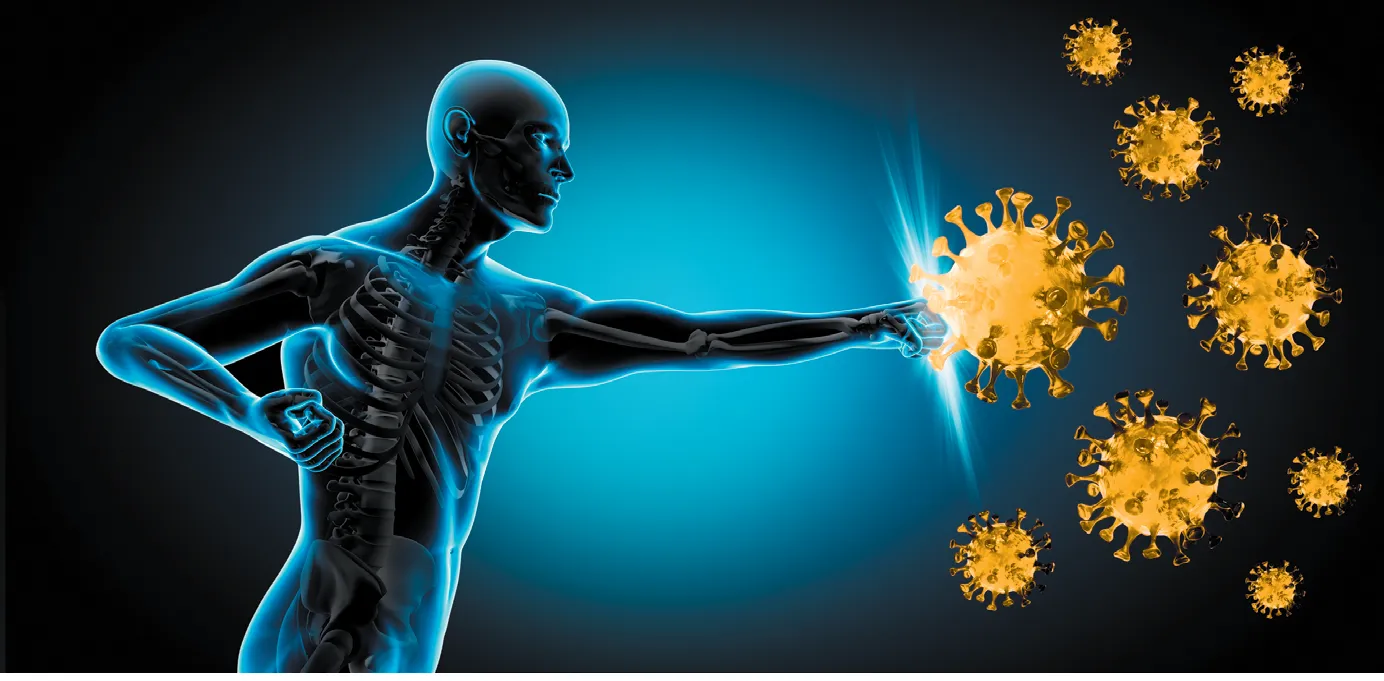
| Your immune system does this everyday |
Right now, as you read these words, your immune system is fighting a war you can't see.
Thousands of viruses, bacteria, fungi, and parasites are trying to invade your body. Cancer cells are attempting to multiply. Toxins are entering your bloodstream. Foreign particles are infiltrating your tissues.
And your immune system? It's handling all of it. Every single second of every single day.
Most people think about their immune system only when they get sick. But here's what blew my mind when I finally understood how immunity actually works: your immune system is constantly active, performing millions of complex operations daily just to keep you alive.
The problem is, most of us go through life completely unaware of this invisible army working tirelessly inside us. We take it for granted—until it stops working properly. Then suddenly we're constantly sick, perpetually exhausted, and wondering what went wrong.
I spent years unknowingly sabotaging my immune system while expecting it to perform miracles. Once I learned what it actually does every day and what it needs to function properly, everything changed.
Today, I'm pulling back the curtain on the extraordinary daily operations of your immune system—and showing you exactly how to support it so it can keep protecting you for decades to come.
The 24/7 Operations of Your Invisible Protector 🏥
Your immune system never sleeps. It never takes a day off. Even right now, it's performing hundreds of critical functions simultaneously.
Morning: Your Immune System's Early Shift (6 AM - 12 PM)
When you wake up, your immune system shifts into daytime operations mode. According to research from the National Institutes of Health, your immune cells follow circadian rhythms—different cells are more active at different times of day.
What's happening:
- White blood cell redistribution: Cells that patrolled your organs overnight now move into your bloodstream, ready to respond to threats you'll encounter during the day
- Inflammatory response regulation: Cortisol naturally rises in the morning, helping to prevent excessive inflammation while you're active
- Mucous membrane defense: Your respiratory system produces mucus containing antibodies, enzymes, and immune cells to trap inhaled pathogens
- Gut immune patrol: As you eat breakfast, specialized immune cells in your intestinal lining screen every food particle for potential threats
Every bite of food you eat is analyzed by your immune system. Every breath you take is filtered. Every surface you touch potentially transfers thousands of microbes—and your immune system evaluates every single one.
Research from Johns Hopkins Medicine shows that your immune system encounters and neutralizes hundreds of potential pathogens every single morning before you even leave your house. You just never notice because it's that efficient.
Afternoon: Peak Defense Operations (12 PM - 6 PM)
By afternoon, your immune activity reaches its daily peak. This is when your body is most responsive to infections and most capable of mounting strong immune responses.
What's happening:
- Maximum antibody production: B cells produce antibodies at peak efficiency during afternoon hours
- Enhanced phagocytosis: Macrophages and neutrophils (cells that eat pathogens) are most active and aggressive
- Lymph system filtration: Your lymph nodes process toxins and dead cells at highest capacity
- Cellular repair: Damaged cells are identified and repaired or destroyed before they can become problematic
- Immune memory formation: T cells catalog new threats, creating memory cells that will remember these invaders for years
According to the CDC and WHO, this is why doctors often recommend getting vaccinated in the morning—your immune system responds most vigorously during these peak hours.
But here's what most people don't realize: this peak performance requires enormous energy and resources. If you're sleep-deprived, poorly nourished, or chronically stressed, your immune system simply cannot operate at full capacity during these critical hours.
Evening: Repair and Recovery Mode (6 PM - 12 AM)
As evening approaches, your immune system begins shifting toward repair and recovery operations.
What's happening:
- Inflammation resolution: Your body actively reduces inflammatory responses from the day's activities
- Damaged cell removal: Dead cells and cellular debris are cleared away
- Gut microbiome support: Beneficial bacteria receive support and harmful bacteria are suppressed
- Cytokine production ramps up: These signaling molecules coordinate immune responses and prepare for overnight repairs
- Stress hormone reduction: Cortisol naturally drops, allowing immune cells to become more active
This transition from active defense to repair mode is crucial. If you disrupt this transition—through late meals, alcohol, intense exercise, or stressful activities—you prevent your immune system from entering its essential repair phase.
Studies from sleep research centers show that people who maintain consistent evening routines have significantly stronger immune function compared to those with chaotic evenings. Learn about night habits that improve immunity.
Nighttime: Deep Maintenance and Restoration (12 AM - 6 AM)
While you sleep, your immune system does its most intensive work.
What's happening:
- Immune memory consolidation: Your body catalogs the day's microbial encounters, strengthening future responses
- Massive cytokine production: These infection-fighting proteins are produced primarily during sleep
- T-cell generation: New T-cells (crucial immune defenders) are created and trained
- Antibody production surge: B-cells mass-produce antibodies while you're unconscious
- Cellular repair and regeneration: Damaged tissues are repaired, preventing disease development
- Toxic waste removal: Your brain's glymphatic system (discovered in 2012) flushes out metabolic waste that accumulates during the day
According to research from Mayo Clinic and the National Sleep Foundation, just one night of poor sleep reduces natural killer cell activity by up to 70%. These are the cells that destroy viruses and cancer cells.
This is why people who consistently sleep poorly are sick more often—their immune systems literally cannot complete essential overnight maintenance. Understand more about strengthening immunity after illness.
The Invisible Battles Your Immune System Wins Daily ⚔️
Let me give you some perspective on the sheer scale of what your immune system handles every single day:
By the numbers:
- Trillions of cells screened: Your immune system evaluates every cell in your body daily, looking for abnormalities
- Thousands of pathogens neutralized: From the air you breathe, food you eat, surfaces you touch
- Millions of antibodies produced: Continuously manufacturing defense proteins
- Billions of bacteria managed: Your gut alone contains 100 trillion bacteria—your immune system keeps them balanced
- Hundreds of cancer cells destroyed: Abnormal cells form constantly; your immune system eliminates them before they multiply
| Daily Immune Operations | Scale | Why It Matters |
|---|---|---|
| Pathogens encountered | 5,000-10,000+ | Every surface, breath, and bite contains potential threats |
| Cells evaluated for abnormalities | 37 trillion | Cancer prevention requires constant surveillance |
| Gut bacteria managed | 100 trillion | Imbalance leads to disease and weakened immunity |
| Antibodies circulating | Billions | Ready to recognize and neutralize specific threats instantly |
| Immune cells produced | Millions | Continuous replacement maintains defense capacity |
This isn't science fiction. This is happening inside you right now. Your immune system is the most sophisticated defense network ever evolved—far more complex than any computer system or military operation humans have created.
The American Immune system manages all of this with remarkable precision. But it can only perform optimally when you provide the right support.
What Your Immune System Needs to Do Its Job 💪
Your immune system doesn't ask for much. But what it needs, it needs consistently.
Quality Sleep: Non-Negotiable
Seven to nine hours nightly, at consistent times. During sleep, your immune system produces infection-fighting cytokines, generates new immune cells, and consolidates immune memory.
Research consistently shows that people sleeping less than six hours have 50% weaker immune responses and get sick 4-5 times more often. Learn about proper sleep habits for immunity.
Proper Nutrition: Your Immune System's Raw Materials
Your immune cells are made from the food you eat. Antibodies are proteins. Cellular energy comes from nutrients. Without adequate nutrition, your immune system literally cannot build the components it needs.
Essential immune nutrients:
- Protein: Building blocks for antibodies and immune cells
- Vitamin C: Supports white blood cell function
- Vitamin D: Regulates immune response
- Zinc: Critical for T-cell development
- Selenium: Antioxidant protection for immune cells
- Omega-3 fatty acids: Reduce inflammation, support immune signaling
- Probiotics: Support gut health (70% of immunity lives here)
Focus on foods that naturally boost immunity rather than relying solely on supplements.
Hydration: The Transport System
Water carries immune cells throughout your body. It produces lymph fluid (which contains white blood cells). It flushes toxins. It maintains mucous membranes that trap pathogens.
Dehydration reduces immune cell efficiency by 30-40%. Most people walk around chronically under-hydrated without realizing it affects their immunity.
Stress Management: Stop Fighting Your Immune System
Chronic stress elevates cortisol, which directly suppresses immune function. When stressed, your body diverts resources away from immunity to handle perceived threats.
Studies show chronically stressed people get sick 40-60% more often and experience slower healing. Your immune system cannot function properly when constantly flooded with stress hormones. Understand how stress weakens immunity.
Movement: Circulation for Immune Patrol
Moderate exercise improves circulation, helping immune cells patrol your body effectively. It reduces inflammation and supports lymphatic drainage.
But excessive exercise without recovery suppresses immunity. Balance is key—150 minutes of moderate activity weekly is the sweet spot. Check out beginner-friendly routines.
Gut Health: Your Immune System's Training Ground
Seventy percent of your immune system lives in your gut. Your gut bacteria train immune cells, produce anti-inflammatory compounds, and prevent pathogen invasion.
Disrupted gut health means weakened immunity. Focus on gut health optimization with diverse plant foods, fermented foods, and fiber.
The Daily Immune Support Protocol 📋
Want to support your immune system's daily operations? Here's your practical, science-backed routine:
Morning (6 AM - 12 PM):
- Wake at consistent time
- Drink 16 oz water immediately
- Eat protein-rich breakfast with vegetables
- Get 15-20 minutes morning sunlight
- Take vitamins if deficient (especially vitamin D)
Afternoon (12 PM - 6 PM):
- Balanced lunch with protein, healthy fats, fiber
- Movement break every 60-90 minutes
- Stay hydrated (half body weight in ounces daily)
- Manage stress with deep breathing breaks
- Avoid excess sugar (suppresses immunity for hours)
Evening (6 PM - 12 AM):
- Light dinner 3 hours before bed
- Gentle movement (walking, stretching)
- Digital sunset 1-2 hours before sleep
- Stress discharge practice (meditation, journaling)
- Prepare bedroom for optimal sleep
Night (12 AM - 6 AM):
- Sleep 7-9 hours in cool, dark room
- Consistent bedtime
- No interruptions
- Allow immune system to complete overnight maintenance
Consistency matters more than perfection. Your immune system thrives on predictable support.
Common Ways People Unknowingly Sabotage Their Immunity 🚫
Even well-intentioned people accidentally undermine their immune systems daily:
- Irregular sleep schedules: Confuses circadian immune rhythms
- Skipping meals or eating randomly: Disrupts gut microbiome and energy availability
- Chronic stress without management: Keeps cortisol elevated, suppressing immunity
- Excessive alcohol: Directly impairs immune cell function
- Too much sugar: Suppresses white blood cells for 5+ hours per dose
- Sedentary lifestyle: Reduces circulation and lymphatic drainage
- Over-exercising without recovery: Creates chronic inflammation
- Poor hydration: Reduces immune cell efficiency
- Unnecessary antibiotics: Destroys beneficial gut bacteria
Learn about common habits that damage immunity and how to stop them.
When Your Immune System Needs Extra Support ⚕️
Sometimes your immune system needs additional help:
Signs your immunity is struggling:
- Frequent infections (4+ colds yearly)
- Slow wound healing
- Persistent fatigue despite adequate sleep
- Digestive issues
- Frequent cold sores or skin infections
- Always feeling run-down
If you experience these consistently, consult healthcare providers. Meanwhile, focus on fundamentals: sleep, nutrition, stress management, movement, and hydration.
Check signs your immune system is weak for comprehensive information.
Your Immune System Deserves Better Support
Your immune system performs miracles every single day. It protects you from thousands of threats without you ever knowing. It heals injuries. It prevents cancer. It keeps you alive.
And what does it ask in return? Adequate sleep. Decent nutrition. Manageable stress. Basic movement. Consistent support.
Yet most people provide none of these consistently. Then wonder why they're constantly sick and exhausted.
Your immune system isn't failing you. You might be failing it.
But here's the good news: it's remarkably forgiving. Give it what it needs, and it will respond. Often within days, certainly within weeks, you'll notice improvements—fewer infections, more energy, better resilience.
The question is: are you ready to properly support the system that's been keeping you alive all along?
Stop Guessing and Start Supporting Your Immune System Properly 🎯
Are you tired of constantly getting sick while everyone else stays healthy?
Do you feel like your body is always fighting something but never winning?
Are you confused by conflicting health advice and don't know where to start?
Do you want to stop being the person who catches everything?
I created "The Complete Immune System Support Blueprint: Daily Strategies to Strengthen Your Body's Natural Defenses" specifically for people who are done with constant illness and ready to build bulletproof immunity.
This isn't generic advice you've heard before. This is a comprehensive, science-backed protocol that works WITH your immune system's natural daily rhythms.
Inside this transformative guide, you'll discover:
✅ The exact 24-hour immune support protocol that aligns with your body's natural circadian rhythms for maximum effectiveness
✅ Meal-by-meal nutrition plans that provide exactly what your immune system needs when it needs it
✅ The sleep optimization blueprint that ensures your immune system completes critical overnight maintenance
✅ Stress management techniques specifically designed to lower cortisol and boost immune function
✅ Movement protocols that enhance immunity without over-training
✅ Gut health restoration program (remember: 70% of immunity lives here)
✅ Supplement strategy that actually works—what to take, when, and why (no wasted money)
✅ Immune tracking system to monitor your progress objectively
✅ Emergency immune boost protocol for when you feel something coming on
✅ Long-term immune resilience strategies for sustained health
✅ Troubleshooting guide for when progress stalls or symptoms return
✅ Shopping lists, meal prep guides, and time-saving shortcuts for busy lifestyles
✅ Science-backed information from CDC, NIH, Mayo Clinic, and peer-reviewed research—no pseudoscience
This is the complete system that addresses what your immune system actually does and needs daily.
No more guessing. No more conflicting advice. No more constant illness.
Get "The Complete Immune System Support Blueprint" now for just $27
Imagine going months without getting sick. Having energy that doesn't crash. Feeling confident your body can handle whatever comes your way. Knowing you're actively supporting—not sabotaging—the most important defense system you have.
That's not wishful thinking. That's what happens when you properly support your immune system's daily operations.
Your immune system has been working tirelessly every day of your life to protect you. Isn't it time you returned the favor?
Click here to start supporting your immune system properly today
Every day you wait is another day your immune system struggles without the support it desperately needs. You deserve to feel strong, healthy, and protected.
Stop letting your invisible protector fight alone. Give it the backup it needs.
Take action now. Your immune system has been waiting.
Frequently Asked Questions ❓
How long does it take for immune support strategies to work?
Some benefits appear quickly—better sleep improves immune markers within days. Full immune optimization takes 4-8 weeks of consistent support. Most people notice fewer infections and better energy within 2-3 weeks.
Can I boost my immune system quickly if I feel something coming on?
Yes, to some extent. Immediate strategies: increase vitamin C and zinc, get extra sleep, stay hydrated, reduce stress, eat anti-inflammatory foods. These can help your immune system mount a stronger response. However, building long-term resilience requires consistent daily support.
Does my immune system really work differently at different times of day?
Absolutely. Research on chronoimmunology shows immune cells follow circadian rhythms. Different immune functions peak at different times. This is why consistent daily routines that align with these rhythms optimize immune function.
Why do I keep getting sick even though I think I'm healthy?
Common causes: inconsistent sleep, blood sugar instability, chronic stress, gut dysbiosis, micronutrient deficiencies, or over-training. Often people are doing some things right but missing crucial pieces. Immune health requires comprehensive support, not just one or two healthy habits.
Can stress alone prevent my immune system from working properly?
Yes. Chronic stress is one of the most powerful immune suppressants. Elevated cortisol directly impairs immune cell function, reduces antibody production, and creates inflammation. Many people's immune issues improve dramatically just from managing stress effectively.
How do I know if my gut health is affecting my immunity?
Signs include: digestive issues, frequent infections, food sensitivities, skin problems, fatigue, and mood issues. Since 70% of immunity lives in the gut, poor gut health always impacts immune function. Focus on gut health strategies.
Is it too late to improve my immune system if I've been sick a lot?
Never too late. Your immune system has remarkable regenerative capacity when given proper support. People who've been chronically ill often see dramatic improvements within weeks of implementing comprehensive immune support strategies.
Do I need expensive supplements or can food provide what I need?
Most people can get adequate nutrients from whole foods. Exceptions: vitamin D (difficult from food/sun alone), possibly B12 for vegans/older adults, and targeted supplementation for diagnosed deficiencies. Get bloodwork before spending money on unnecessary supplements. Learn about vitamins that actually work.
Medical Disclaimer: This article provides general information for educational purposes only and does not constitute medical advice, diagnosis, or treatment. Always consult qualified healthcare professionals before making changes to your health regimen, especially if you have existing medical conditions or immune disorders. Individual results may vary. For complete medical review standards, visit our medical review policy.
Affiliate Disclosure: This blog contains affiliate links and product recommendations. We may earn a small commission if you purchase through our links at no additional cost to you. We only recommend products and resources we genuinely believe support immune health. For full transparency, review our editorial policy and disclaimer.
About the Author: This article was researched using evidence-based information from the CDC, National Institutes of Health, Mayo Clinic, Johns Hopkins Medicine, WHO, National Sleep Foundation, and peer-reviewed journals in immunology, chronobiology, and nutrition. Content medically reviewed for accuracy on January 2, 2026.
Related Articles You'll Love:
- 10 Signs Your Immune System Is Weak
- Why Your Immune System Is Always Weak
- Best Morning Routine for Strong Immunity
- Foods That Kill Your Immune System
Questions about immune system support? Contact us for guidance!



.jpg)

.jpg)

 🛡️✨)
0 Comments