

Your sex life doesn't have to be another casualty of modern life. If you're struggling with women's low libido and wondering why your desire has disappeared, you're not alone—and more importantly, you're not broken.
This guide is for women who want honest answers about female sex drive problems and real solutions that actually work. Whether you're dealing with recent changes or long-term challenges, understanding what's behind your low libido is the first step toward getting your spark back.
We'll explore the physical factors that destroy libido, from hormonal shifts to medications that secretly sabotage your desire. You'll discover how psychological barriers to sexual desire—like stress, body image issues, and past experiences—create invisible walls around your sexuality. We'll also dive into relationship dynamics that kill passion and the everyday lifestyle factors killing sex drive that you might not even realize are affecting you.
More importantly, you'll learn proven strategies to boost women's sex drive naturally through medical treatments for low libido, psychological techniques, relationship repair tactics, and lifestyle changes that can supercharge your desire. Your sexual wellness matters, and reclaiming it is absolutely possible.
Physical Factors That Destroy Libido

Hormonal imbalances and their devastating effects
Your hormones control more than you might realize, especially when it comes to your sex drive. Estrogen, testosterone, and progesterone work together like a perfectly choreographed dance - when one steps out of line, your entire sexual desire can come crashing down.
During perimenopause and menopause, your estrogen levels plummet dramatically. This doesn't just cause hot flashes - it directly impacts your ability to feel aroused and enjoy intimacy. Your vaginal tissues become thinner and less sensitive, making sex uncomfortable or even painful. When physical intimacy hurts, your brain naturally starts avoiding it.
But menopause isn't the only culprit. Birth control pills can suppress your natural testosterone production, which is your primary hormone for sexual desire. Many women notice their libido disappearing within months of starting hormonal contraceptives, yet they never connect the dots.
Thyroid disorders create another layer of complexity. An underactive thyroid slows everything down - your metabolism, energy levels, and yes, your sex drive. You might feel too exhausted to even think about intimacy, let alone act on it.
Insulin resistance and diabetes also wreak havoc on your sexual response. High blood sugar damages the tiny blood vessels that supply your genital area, reducing sensation and arousal. Your body becomes focused on managing blood sugar instead of responding to sexual cues.
Medications that secretly sabotage desire
You trust your medications to help you feel better, but many common prescriptions are silently destroying your sex drive. Antidepressants, particularly SSRIs like Prozac and Zoloft, are notorious libido killers. They work by increasing serotonin levels, which can block the dopamine pathways your brain needs for sexual desire and arousal.
Blood pressure medications, especially beta-blockers and diuretics, reduce blood flow throughout your body - including to your genital area. Without adequate blood flow, physical arousal becomes nearly impossible. You might want to feel desire, but your body simply can't respond.
Antihistamines for allergies dry out more than just your sinuses. They can significantly reduce vaginal lubrication, making sex uncomfortable and reducing your natural desire for intimacy. Even over-the-counter allergy medications taken regularly can impact your sexual response.
Birth control methods beyond just the pill can affect your libido. The Depo-Provera shot, hormonal IUDs, and even the patch can suppress your natural hormone production for months or years. Some women don't realize their contraceptive is the reason they've lost all interest in sex.
Pain medications, particularly opioids, create a double problem. They reduce your body's natural pain response, which includes the pleasurable sensations during sex. Long-term use can also disrupt your hormone production, creating a cycle where you need intimacy for emotional connection but can't physically enjoy it.
Chronic health conditions stealing your passion
Living with chronic health conditions creates a perfect storm for destroying your sex drive. Your body is constantly fighting inflammation, managing symptoms, and dealing with fatigue - leaving little energy for sexual desire or response.
Autoimmune conditions like rheumatoid arthritis, lupus, and fibromyalgia don't just cause joint pain and fatigue. They create systemic inflammation that affects your entire body, including your sexual organs. You might feel too exhausted to even consider intimacy, or physical symptoms might make certain positions painful.
Diabetes affects your sexual health in multiple ways. High blood sugar damages nerves and blood vessels, reducing sensation and making arousal difficult. Many women with diabetes experience decreased vaginal lubrication and reduced genital sensitivity. The constant worry about blood sugar management can also create mental barriers to relaxation and pleasure.
Depression and anxiety don't just affect your mood - they physically alter your brain chemistry in ways that suppress sexual desire. Depression reduces dopamine levels, which are essential for wanting and enjoying sex. Anxiety keeps your nervous system in fight-or-flight mode, making it nearly impossible to relax into sexual pleasure.
Cardiovascular disease reduces blood flow throughout your body. Your heart might be working overtime just to pump blood to vital organs, leaving less available for sexual arousal. Many women notice their ability to become physically aroused diminishes as their heart health declines.
Sleep deprivation's role in killing intimacy
Your sex drive and sleep quality are more connected than you might think. When you're chronically sleep-deprived, your body treats sexual desire as a luxury it can't afford. Your brain prioritizes survival functions over reproduction, essentially shutting down your libido to conserve energy.
Poor sleep directly impacts your hormone production. Your body produces testosterone during deep sleep - yes, women need testosterone too for healthy sexual desire. When you're not getting quality sleep, your testosterone levels plummet, taking your sex drive with them.
Sleep apnea affects millions of women, often undiagnosed. The constant interruptions in breathing prevent you from reaching deep, restorative sleep stages. Your body stays in a state of stress, with elevated cortisol levels that suppress sexual hormones. You might feel exhausted all day, making evening intimacy feel impossible.
Shift work and irregular sleep schedules disrupt your circadian rhythms, which control hormone production. Your body doesn't know when to produce the hormones needed for sexual desire and arousal. Night shift workers often report significant decreases in libido that persist even on days off.
Even mild sleep deprivation affects your emotional regulation and stress response. When you're tired, everything feels harder - including connecting with your partner physically and emotionally. You become more irritable and less patient, creating relationship tension that further reduces desire for intimacy.
Psychological Barriers Crushing Sexual Desire

Stress and Anxiety Suffocating Your Sex Life
Your mind is racing with deadlines, bills, family drama, and that endless mental to-do list. When you're drowning in stress and anxiety, your body literally can't shift into pleasure mode. Cortisol, your stress hormone, acts like a sexual desire assassin, blocking the production of testosterone and other hormones that fuel your libido.
Women experiencing chronic stress often find their minds completely disconnected from their bodies during intimate moments. You might be physically present but mentally reviewing tomorrow's meeting agenda or worrying about your kid's school performance. This mental chaos makes it nearly impossible to relax into arousal and enjoy the experience.
Anxiety compounds the problem by creating a vicious cycle. You worry about not feeling turned on, which creates more anxiety, which further kills your desire. Your nervous system stays locked in fight-or-flight mode, treating sex as a luxury your stressed-out body simply can't afford.
Body Image Issues Destroying Confidence in Bed
Your relationship with your own body dramatically impacts your sexual desire and enjoyment. When you're constantly critiquing your appearance, worrying about how you look naked, or feeling self-conscious about your body during intimate moments, it's impossible to lose yourself in pleasure.
Many women become so focused on hiding perceived flaws or maintaining "flattering" positions that they disconnect from physical sensations entirely. You might avoid certain positions, keep lights off, or rush through foreplay because you're too worried about your partner's judgment to actually enjoy yourself.
This psychological barrier to sexual desire often intensifies with age, pregnancy, weight changes, or after medical procedures. Your brain becomes your worst enemy, flooding you with negative self-talk right when you should be experiencing pleasure and connection. The cruel irony is that this mental chatter prevents you from accessing the very experiences that could help rebuild your confidence and desire.
Depression's Silent Attack on Libido
Depression doesn't just steal your joy - it systematically dismantles your sex drive through multiple pathways. The condition affects your brain's reward system, making activities that once brought pleasure feel meaningless or overwhelming. Your body's natural interest in sex simply disappears, replaced by emotional numbness or overwhelming fatigue.
Many antidepressant medications create additional challenges for female sexual desire disorder. While these medications can be life-saving for managing depression, common side effects include delayed arousal, difficulty reaching orgasm, and significantly reduced libido. You're caught in a frustrating catch-22: you need the medication to function, but it's killing your sex drive.
Depression also impacts your energy levels, self-worth, and ability to connect with your partner emotionally. When you're struggling just to get through basic daily tasks, initiating or responding to sexual advances feels impossible. Your brain tells you that you're not worthy of pleasure or that your partner would be better off without you, creating psychological barriers to sexual desire that run much deeper than simple disinterest.
Past Trauma Creating Intimacy Roadblocks
Unresolved trauma creates invisible walls around your sexuality that can persist for years or decades. Your nervous system remembers past violations or painful experiences, triggering protective responses during intimate moments even when you consciously want to be present with your partner.
Trauma responses during sex can include sudden emotional flooding, physical tension, dissociation, or panic attacks. Your body might shut down arousal as a protective mechanism, leaving you feeling frustrated and disconnected. These responses often happen automatically, beyond your conscious control, making you feel broken or defective.
The psychological barriers to sexual desire from trauma aren't always obvious. You might experience unexplained anxiety about certain touch, positions, or even specific times of day. Your brain may have learned to associate vulnerability and physical pleasure with danger, creating roadblocks that prevent natural sexual response and desire from emerging.
Performance Pressure Killing Natural Desire
Modern culture bombards you with unrealistic expectations about female sexuality, creating crushing performance pressure that destroys spontaneous desire. You might feel pressured to respond quickly, reach orgasm easily, or maintain constant enthusiasm - all while looking perfect and making your partner feel amazing.
This performance mindset transforms sex from a natural, pleasurable experience into a test you're constantly worried about failing. You start monitoring your own arousal, judging your responses, and forcing reactions instead of allowing them to unfold naturally. Your focus shifts from enjoying sensations to performing sexuality "correctly."
Social media and pornography compound this pressure by presenting impossible standards for female sexual response. You compare your real experiences to highlight reels and fictional portrayals, wondering why your libido doesn't match what you see online. This comparison trap keeps you stuck in your head during intimate moments, preventing the mental relaxation necessary for desire to flourish.
The pressure to want sex on command, combined with guilt about low libido, creates a toxic cycle where trying harder to feel desire actually pushes it further away. Your natural sexual response becomes buried under layers of expectation and self-judgment.
Relationship Dynamics That Kill Passion

Communication Breakdown Destroying Connection
When you and your partner stop truly talking to each other, your bedroom becomes the first casualty. You might think you're communicating because you discuss schedules, bills, and who's picking up the kids, but real connection requires so much more. Women's low libido often stems from feeling emotionally disconnected from their partner.
You know that feeling when your partner asks how your day was, but they're scrolling through their phone while you answer? That's not communication – that's going through the motions. Real intimacy starts with genuine conversations where you both feel heard and valued. When you can't share your thoughts, fears, or dreams without judgment, your sexual desire naturally starts to fade.
The problem gets worse when you start avoiding deeper conversations altogether. Maybe you've tried to express your needs before and felt dismissed or misunderstood. Now you keep things surface-level to avoid conflict, but this creates an invisible wall between you. Your body picks up on this emotional distance, and female sex drive problems become the natural result.
Lack of Emotional Intimacy Freezing Physical Desire
Your brain is your most important sex organ, and it needs emotional safety to function properly. When you don't feel emotionally connected to your partner, your body literally won't respond the way it used to. This isn't weakness – it's biology working exactly as designed.
Emotional intimacy means feeling seen, understood, and cherished by your partner. It's those moments when they remember what matters to you, when they notice you're stressed without you having to say anything, or when they make you laugh after a terrible day. Without these connections, sex can start feeling mechanical or even uncomfortable.
You might notice that you're physically present but mentally checked out during intimate moments. Your mind wanders to your to-do list or tomorrow's meetings because you're not feeling that deep emotional pull toward your partner. Causes of low sex drive in women frequently trace back to this missing emotional foundation that makes physical intimacy feel meaningful and desired.
Unresolved Conflicts Poisoning the Bedroom
That fight you had three weeks ago that you both pretended to forget? It's still there, sitting between you like an invisible barrier. Unresolved conflicts don't just disappear – they accumulate, creating resentment that kills sexual desire faster than almost anything else.
You can't compartmentalize anger and hurt the way you might think you can. When you're carrying grudges or feeling unheard about important issues, your body responds by shutting down sexually. It's your mind's way of protecting you from being vulnerable with someone who you feel has hurt you.
Maybe you've tried to push through and be intimate anyway, thinking it might help you both reconnect. But forced intimacy when you're angry or hurt often backfires, making you feel even more disconnected. Your sexual response becomes conditional on feeling safe and valued, and unresolved conflicts destroy both of those feelings.
The worst part is how these conflicts compound. One unresolved issue makes you less likely to address the next one openly, creating a cycle where problems pile up and relationship problems affecting libido become increasingly severe.
Routine and Boredom Extinguishing the Spark
Your relationship has settled into a predictable pattern, and while stability feels nice, predictability can be passion's worst enemy. When you know exactly how every evening will unfold, when conversations follow the same script, and when intimacy happens on the same schedule in the same way, your brain stops getting excited.
You used to feel anticipation about spending time together, but now everything feels automatic. Date nights become routine obligations rather than exciting connections. Even your physical interactions follow a script that both of you could perform half-asleep. This predictability might feel comfortable, but it's slowly suffocating your desire.
Your brain craves novelty and surprise to maintain sexual interest. When everything becomes routine, you stop seeing your partner as the exciting, mysterious person you fell for and start seeing them as a comfortable roommate. This shift happens gradually, so you might not even realize it's occurring until you notice your interest has completely flatlined.
Breaking this cycle requires intentional effort from both partners to inject unpredictability back into your relationship. Small changes in routine, trying new activities together, or even changing up your physical environment can help reignite that spark that routine has been quietly extinguishing.
Lifestyle Habits Sabotaging Your Sex Drive
Poor diet choices draining sexual energy
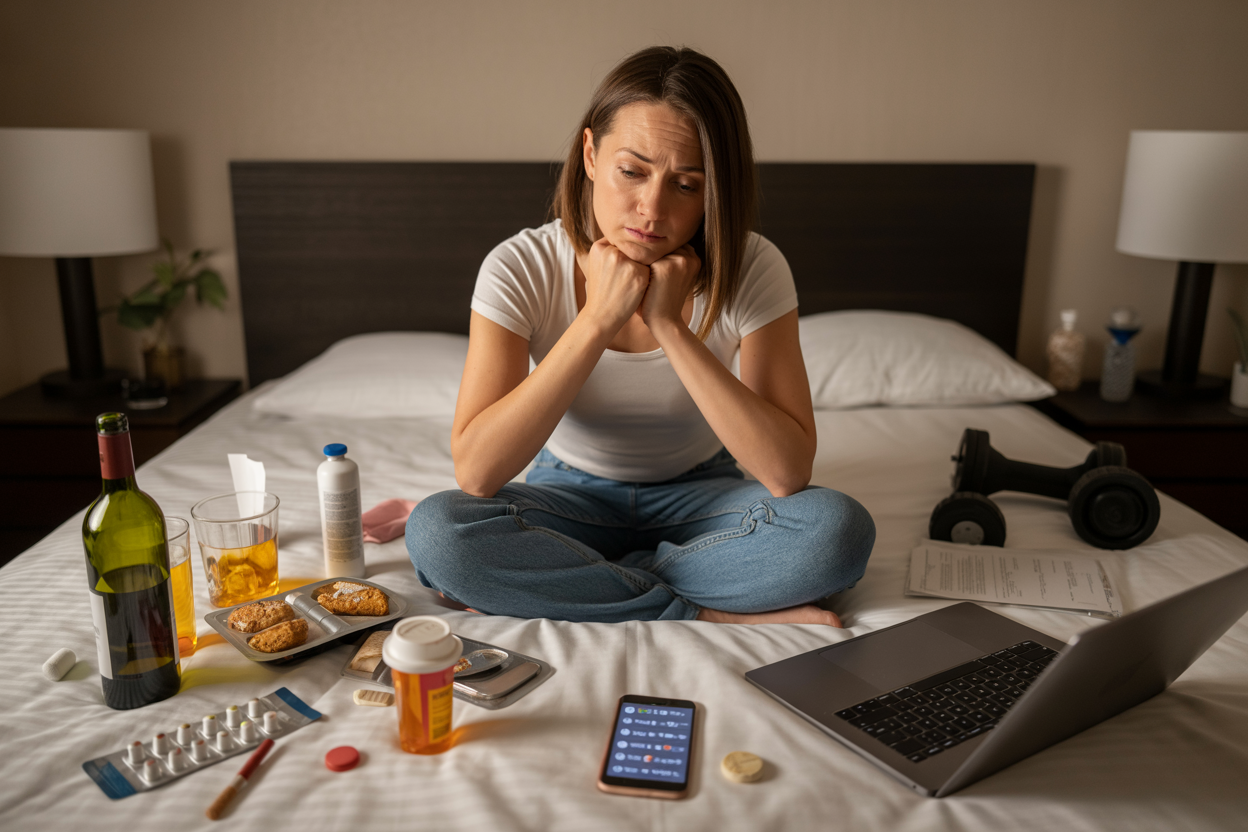
Your dinner plate might be the secret culprit behind your disappearing sex drive. When you fuel your body with processed foods, excess sugar, and refined carbs, you're essentially putting your libido on life support. These foods cause blood sugar spikes that leave you feeling exhausted and irritable – hardly the recipe for passion.
Think about how you feel after downing a bag of chips or scarfing down a fast-food meal. You're sluggish, bloated, and the last thing on your mind is romance. Your body is working overtime to process all that junk, leaving little energy for sexual desire.
Foods that specifically tank women's sex drive:
-
Processed meats loaded with hormones and preservatives
-
White bread and pasta that spike insulin levels
-
Sugary snacks that cause energy crashes
-
Trans fats that mess with hormone production
-
Excessive dairy that can disrupt testosterone levels
Your hormones need specific nutrients to function properly. Without adequate zinc, vitamin D, and healthy fats, your body can't produce the hormones that drive sexual desire. When you're constantly eating inflammatory foods, you're creating a hostile environment for libido-boosting hormones like testosterone and estrogen.
The good news? You can turn this around quickly. Start incorporating libido-boosting foods like dark chocolate, watermelon, avocados, and leafy greens into your daily meals. These foods improve blood flow, support hormone production, and give you the energy you need for both life and love.
Lack of exercise weakening desire and stamina
Your sedentary lifestyle is literally suffocating your sex drive. When you spend most of your day sitting at a desk or lounging on the couch, your blood circulation slows to a crawl. Poor circulation means less blood flow to your sexual organs, which directly impacts arousal and pleasure.
Exercise isn't just about looking good in bed – it's about feeling good there too. Regular physical activity boosts your energy levels, improves your mood, and increases blood flow throughout your body. When you're physically fit, you have more stamina, better body confidence, and stronger sexual responses.
How inactivity specifically impacts women's libido:
-
Reduced blood flow to sexual organs decreases sensitivity
-
Lower energy levels make you too tired for intimacy
-
Poor body image from lack of fitness affects confidence
-
Decreased endorphins lead to mood problems
-
Weakened pelvic floor muscles reduce sexual pleasure
You don't need to become a marathon runner overnight. Even 30 minutes of moderate exercise three times a week can dramatically improve your sexual health. Activities like brisk walking, swimming, or yoga increase circulation and release feel-good endorphins that naturally boost your desire.
Strength training deserves special mention here. Building muscle not only improves your body confidence but also increases testosterone production – yes, women need testosterone too for a healthy sex drive. The stronger you feel physically, the more powerful you'll feel sexually.
Excessive alcohol consumption numbing passion
That nightly glass of wine might seem like it's helping you relax and get in the mood, but too much alcohol is actually killing your libido from multiple angles. While a small amount can lower inhibitions, regular heavy drinking wreaks havoc on your sexual response system.
Alcohol is a depressant that slows down your central nervous system. This means decreased sensitivity, difficulty reaching orgasm, and reduced natural lubrication. You might think you want sex when you're tipsy, but your body isn't physically able to respond the way it should.
How excessive drinking destroys women's sex drive:
-
Disrupts hormone production, especially testosterone
-
Interferes with sleep quality, leaving you exhausted
-
Causes dehydration that affects natural lubrication
-
Increases anxiety and depression over time
-
Damages blood vessels, reducing circulation to sexual organs
The timing matters too. If you're drinking regularly, your liver is constantly working to process alcohol instead of metabolizing hormones properly. This creates an imbalance that directly impacts your sexual desire and response.
Your sleep quality takes a massive hit with regular drinking. Even though alcohol might help you fall asleep initially, it prevents deep, restorative sleep. When you're chronically sleep-deprived, your body prioritizes basic survival functions over sexual desire.
The solution isn't necessarily complete abstinence, but moderation is key. Limit yourself to one drink per day maximum, and take regular alcohol-free days to let your body reset. You'll be amazed at how much better you feel – and how much more interested you become in physical intimacy.
Proven Medical Solutions to Restore Desire

Hormone Replacement Therapy Benefits
Your hormones play a massive role in your sexual desire, and when they're out of whack, your libido takes a serious hit. If you're dealing with women's low libido, particularly during perimenopause or menopause, hormone replacement therapy (HRT) might be your ticket back to feeling like yourself again.
Estrogen therapy can work wonders for restoring vaginal lubrication and reducing painful intercourse that's been killing your mood. When your estrogen levels drop, your vaginal tissues become thinner and drier, making sex uncomfortable or downright painful. HRT helps plump up those tissues and gets your natural lubrication flowing again.
Testosterone therapy is another game-changer that many doctors don't discuss enough with women. Yes, you need testosterone too, and when your levels are low, your desire can completely disappear. Adding testosterone to your hormone therapy can reignite that spark you've been missing.
Bio-identical hormones offer a more natural approach that many women prefer over synthetic versions. These hormones match your body's natural chemistry more closely, potentially reducing side effects while boosting your sex drive effectively.
The benefits go beyond just physical improvements. Many women report feeling more energetic, confident, and interested in intimacy after starting HRT. Your sleep quality improves, your mood stabilizes, and that brain fog lifts - all factors that contribute to a healthier sex drive.
Medication Adjustments That Reignite Passion
Your current medications might be secretly sabotaging your sex life without you even realizing it. Antidepressants, particularly SSRIs, are notorious libido killers that can completely flatline your sexual desire. But don't panic - you have options that don't involve suffering through depression or a non-existent sex drive.
Talk to your doctor about switching to bupropion (Wellbutrin), which actually has the opposite effect and can boost your libido. This antidepressant works differently in your brain and often increases sexual desire rather than crushing it. Many women find their interest in sex returns within weeks of making this switch.
Blood pressure medications can also dampen your desire. ACE inhibitors and calcium channel blockers tend to be less likely to affect your libido compared to beta-blockers or diuretics. Your doctor can often find alternatives that keep your blood pressure in check without killing your passion.
Birth control pills can be tricky territory for female sex drive problems. While some women thrive on hormonal contraception, others find it completely destroys their libido. If you suspect your birth control is the culprit, discuss non-hormonal options like copper IUDs or barrier methods with your healthcare provider.
Timing matters too. Sometimes adjusting when you take certain medications can help minimize their impact on your sex drive. Your doctor might suggest taking libido-affecting medications at bedtime instead of morning to reduce their interference with intimate moments.
When to Seek Professional Medical Help
You don't have to suffer in silence with a dead bedroom situation. Knowing when to reach out for professional help can save your relationship and restore your confidence. If you've tried lifestyle changes and they're not working, it's time to bring in the experts.
Schedule an appointment if your low sex drive has persisted for more than three months and is causing you distress. This isn't about meeting some arbitrary standard - it's about your quality of life and happiness. Medical treatments for low libido are more advanced and effective than ever before.
Your primary care doctor is a great starting point, but don't be afraid to ask for a referral to a gynecologist who specializes in sexual health or a reproductive endocrinologist. These specialists understand the complex interplay between hormones, medications, and sexual desire better than anyone.
Come prepared with a list of all your medications, supplements, and a timeline of when your libido issues began. Be honest about your symptoms, even if they feel embarrassing. Your doctor has heard it all before and wants to help you feel better.
Consider seeing a healthcare provider if you're experiencing:
-
Complete loss of sexual interest for months
-
Painful intercourse that's getting worse
-
Sudden changes in libido after starting new medications
-
Severe fatigue that's affecting your desire
-
Relationship strain due to mismatched libidos
Remember, female sexual desire disorder is a recognized medical condition with real treatments available. You deserve to feel desire, pleasure, and connection in your intimate relationships.
Psychological Strategies to Rebuild Libido

Mindfulness Techniques for Sexual Reconnection
Your relationship with your own body and sexuality starts in your mind. Mindfulness practices can help you break free from the mental chatter that kills sexual desire and reconnect with your physical sensations. Start with body scan meditations – lie down and slowly focus on each part of your body, noticing areas of tension or numbness without judgment.
Breathing exercises specifically designed for sexual health can transform how you experience intimacy. Try the 4-7-8 technique: inhale for 4 counts, hold for 7, exhale for 8. This activates your parasympathetic nervous system, creating the relaxed state necessary for sexual arousal.
Sensate focus exercises with your partner remove performance pressure while rebuilding physical connection. Begin with non-sexual touching, focusing entirely on the sensation rather than any goal. This mindful approach helps you rediscover what feels good without the anxiety that often accompanies low libido.
Daily mindfulness meditation, even just 10 minutes, reduces the mental noise that interferes with sexual thoughts and fantasies. Apps like Headspace offer specific programs for better sleep and reduced anxiety – both crucial for healthy sexual desire.
Therapy Options That Transform Intimacy
Professional therapy can address the psychological barriers to sexual desire that you might not even realize exist. Cognitive Behavioral Therapy (CBT) helps identify negative thought patterns about sex and intimacy that developed from past experiences, cultural messaging, or relationship trauma.
Sex therapy specifically targets sexual concerns with evidence-based techniques. A certified sex therapist can help you work through body image issues, performance anxiety, or communication problems with your partner. Many women find that just a few sessions provide breakthrough insights about their sexual identity and desires.
| Therapy Type | Best For | Typical Duration |
|---|---|---|
| CBT | Negative thought patterns, anxiety | 12-16 sessions |
| Sex Therapy | Sexual dysfunction, communication | 8-12 sessions |
| EMDR | Trauma-related sexual issues | Variable |
| Couples Therapy | Relationship dynamics affecting intimacy | 12-20 sessions |
Eye Movement Desensitization and Reprocessing (EMDR) works particularly well for women whose low libido stems from sexual trauma or negative sexual experiences. This therapy helps process traumatic memories so they no longer trigger fight-or-flight responses during intimate moments.
Stress Management Methods That Boost Desire
Chronic stress is libido poison – it floods your system with cortisol while suppressing testosterone and other hormones essential for sexual desire. Your daily stress management routine directly impacts your sexual health.
Progressive muscle relaxation teaches you to recognize and release physical tension. Tense each muscle group for 5 seconds, then release. Start with your toes and work up to your face. This practice helps you become more aware of how stress manifests in your body and gives you tools to address it.
Regular yoga practice combines stress reduction with body awareness – both crucial for healthy sexuality. Poses like child's pose, legs up the wall, and gentle hip openers specifically target areas where sexual tension accumulates.
Time blocking for relaxation isn't selfish – it's essential. Schedule 30 minutes daily for activities that genuinely restore you: reading, baths, walks in nature, or creative hobbies. Women often put everyone else's needs first, leaving no energy for their own sexual well-being.
Sleep hygiene dramatically impacts both stress levels and hormonal balance. Create a bedroom environment that promotes deep sleep: cool temperature, blackout curtains, no screens for an hour before bed. Poor sleep directly correlates with women's low libido.
Building Unshakeable Sexual Confidence
Sexual confidence comes from knowing and accepting your own desires, boundaries, and preferences. Start by exploring what turns you on through solo exploration – this isn't just about physical pleasure, but understanding your sexual response cycle and what thoughts, fantasies, or sensations ignite your desire.
Challenge the internal critic that judges your body or sexual worthiness. Write down negative sexual beliefs, then actively dispute them with evidence. Replace "I'm too old/fat/tired for good sex" with specific examples of times you felt desirable and sexually satisfied.
Communication skills build confidence through practice. Start small – tell your partner one thing you enjoy during intimacy. Gradually work up to expressing desires, boundaries, and preferences. The more you voice your needs, the more confident you become in your sexual identity.
Create a personal pleasure menu – a private list of activities, fantasies, or experiences that genuinely excite you. This isn't for your partner; it's for you to reconnect with your authentic sexual self. Update it regularly as you discover new aspects of your sexuality.
Sexual education empowers confidence through knowledge. Read books about female sexuality, listen to sex-positive podcasts, or attend workshops about women's sexual health. Understanding how your body works sexually removes mystery and shame while building ownership of your desires.
Relationship Repair Tactics for Renewed Passion

Communication Exercises That Reignite Connection
Your relationship's communication patterns directly impact your sex drive and overall intimacy. When you're stuck in surface-level conversations or caught in cycles of criticism and defensiveness, your sexual desire naturally diminishes. The good news? Specific communication exercises can rebuild that spark between you and your partner.
Start with daily check-ins that go beyond logistics. Set aside fifteen minutes each evening to share three things: what made you feel appreciated that day, one challenge you faced, and something you're looking forward to. This simple practice helps you reconnect emotionally, which is essential for addressing women's low libido and relationship problems affecting libido.
Practice the "soft startup" technique when discussing sensitive topics, especially those related to intimacy. Instead of saying "You never initiate anymore," try "I miss feeling desired by you, and I'd love to talk about ways we can reconnect physically." This approach prevents your partner from becoming defensive and creates space for productive dialogue.
Try the "appreciation flooding" exercise weekly. Take turns sharing specific things you love about each other for five minutes straight. Focus on character traits, actions, and qualities rather than just physical attributes. This exercise rewires your brain to notice positive aspects of your relationship, which naturally boosts attraction and desire.
Rebuilding Emotional Intimacy Step by Step
Emotional intimacy forms the foundation of sexual desire for most women. When you feel disconnected from your partner emotionally, your body often follows suit by shutting down sexually. Rebuilding this connection requires intentional, gradual steps.
Begin with non-sexual physical touch throughout your day. Hold hands while watching TV, give each other brief shoulder massages, or simply sit closer together during meals. This helps your nervous system remember that your partner's touch is safe and welcome, addressing common causes of low sex drive in women.
Share your inner world more openly. Talk about your fears, dreams, childhood memories, and current struggles. When your partner truly knows you—not just your daily schedule—emotional intimacy deepens. Create a weekly "dream sharing" ritual where you discuss your hopes for the future, both individually and as a couple.
Implement the "emotional thermometer" check-in. Rate your emotional connection on a scale of 1-10 each week and discuss what would move the needle higher. This creates awareness around your emotional bond and gives you both concrete goals to work toward.
Practice emotional validation during conflicts. Before offering solutions or defending yourself, repeat back what you heard your partner say and acknowledge their feelings. This doesn't mean you have to agree, but it shows you're truly listening and caring about their experience.
Creating Novelty and Excitement Together
Routine kills passion faster than almost anything else. When your relationship becomes predictable, your brain stops producing the chemicals associated with attraction and excitement. You need to deliberately inject novelty into your partnership to reignite that spark.
Plan monthly "firsts" together. Try a new restaurant, take a dance class, visit a museum you've never been to, or learn a skill together. Novel experiences trigger dopamine release, the same neurotransmitter involved in sexual desire. This biological response can naturally boost women's sex drive naturally by creating positive associations with your partner.
Surprise each other with small, unexpected gestures. Leave notes in lunch boxes, bring home their favorite coffee unannounced, or suggest a spontaneous walk after dinner. These surprises don't need to be expensive or elaborate—they just need to break the routine and show thoughtfulness.
Create adventure dates that get your adrenaline pumping. Go hiking, try rock climbing, take a cooking class, or attend a live music event. Shared excitement and mild stress (the good kind) can increase attraction between partners. Your brain associates the elevated heart rate and excitement with your partner's presence.
Establish new rituals together. Maybe you start having breakfast on the balcony every Sunday morning, or you begin taking evening walks around your neighborhood. New positive patterns create fresh associations and give you both something to look forward to regularly.
Switch up your physical environment occasionally. Rearrange your bedroom, have dinner by candlelight, or even just change where you typically sit during your evening conversations. These small environmental changes signal to your brain that something different and potentially exciting is happening.
Lifestyle Changes That Supercharge Sex Drive

Nutrition Strategies for Enhanced Libido
Your diet plays a bigger role in your sex drive than you might realize. When you fuel your body with the right nutrients, you're setting yourself up for better circulation, balanced hormones, and increased energy – all crucial for a healthy libido.
Start with foods rich in zinc, like oysters, pumpkin seeds, and dark chocolate. Zinc directly supports testosterone production, which affects your sexual desire even as a woman. Add avocados to your meals – they're packed with vitamin E and healthy fats that improve blood flow to intimate areas.
Include L-arginine rich foods like watermelon, nuts, and lean meats. This amino acid helps produce nitric oxide, which relaxes blood vessels and enhances sensitivity. Pomegranates deserve a spot on your grocery list too, as they boost nitric oxide levels naturally.
Don't forget about maca root powder – blend it into smoothies or sprinkle it on yogurt. This Peruvian superfood has been shown to increase sexual desire in women within just a few weeks of regular consumption.
Cut back on processed foods and excessive sugar, which can mess with your hormone balance and leave you feeling sluggish. Instead, focus on whole foods that keep your blood sugar stable throughout the day.
Exercise Routines That Boost Sexual Energy
Regular physical activity does wonders for women's low libido by increasing blood flow, boosting confidence, and releasing mood-enhancing endorphins. You don't need to become a gym fanatic – strategic movement patterns can supercharge your sexual energy.
Strength training is your secret weapon. Squats, deadlifts, and hip thrusts strengthen your pelvic floor muscles and improve circulation to your intimate areas. Aim for 2-3 strength sessions per week, focusing on compound movements that engage multiple muscle groups.
Yoga deserves special attention for its dual benefits. Poses like cat-cow, bridge pose, and goddess pose increase flexibility in your hips and pelvis while reducing stress hormones that kill desire. The mindfulness aspect of yoga also helps you reconnect with your body's sensations.
High-intensity interval training (HIIT) boosts testosterone levels naturally – yes, women need this hormone too for a healthy sex drive. Try 20-minute HIIT sessions twice a week, alternating between intense bursts and recovery periods.
Dancing combines cardio with sensual movement, helping you feel more comfortable and confident in your body. Whether it's salsa, pole dancing, or just dancing in your living room, moving to music awakens your sensual side.
Walking often gets overlooked, but daily walks reduce cortisol levels and improve overall circulation. Aim for at least 30 minutes of brisk walking daily.
Sleep Optimization for Maximum Desire
Poor sleep is a silent killer of your sex drive. When you're chronically tired, your body prioritizes survival over reproduction, leading to decreased libido and reduced sexual satisfaction.
Quality sleep directly affects your hormone production. During deep sleep, your body produces growth hormone and regulates cortisol levels. When you're sleep-deprived, cortisol stays elevated, suppressing the hormones responsible for sexual desire.
Establish a consistent sleep schedule by going to bed and waking up at the same time every day, even on weekends. Your body thrives on routine, and this consistency helps regulate your natural circadian rhythms.
Create a bedroom sanctuary that promotes deep, restorative sleep. Keep your room between 65-68°F, invest in blackout curtains, and remove electronic devices at least an hour before bedtime. Blue light from screens interferes with melatonin production, making it harder to fall asleep.
Try the 4-7-8 breathing technique when you get into bed: inhale for 4 counts, hold for 7, and exhale for 8. This activates your parasympathetic nervous system and helps your body transition into rest mode.
Avoid caffeine after 2 PM and limit alcohol consumption, especially in the evening. While alcohol might make you feel drowsy initially, it disrupts your sleep cycles and prevents you from reaching the deep sleep stages your body needs for hormone regulation.
Creating the Perfect Environment for Passion
Your physical environment significantly impacts your ability to feel sexually desire and connection. Small changes to your surroundings can make a dramatic difference in how you feel about intimacy.
Start with your bedroom – it should be a sanctuary for both sleep and intimacy. Declutter the space and remove work-related items, exercise equipment, or anything that reminds you of daily stressors. Your brain needs to associate this space with relaxation and pleasure, not obligations.
Lighting sets the mood more than you realize. Harsh overhead lights kill the romantic atmosphere. Install dimmer switches or use soft bedside lamps, candles, or string lights to create warm, flattering illumination. Consider salt lamps, which emit a soothing orange glow that promotes relaxation.
Temperature control matters for comfort and mood. Keep your space comfortably cool – around 68-70°F is ideal for most people. Being too warm can make you feel sluggish and uncomfortable, while being too cold creates tension in your muscles.
Engage your senses with subtle aromatherapy. Essential oils like ylang-ylang, jasmine, and sandalwood have been shown to boost women's sex drive naturally. Use a diffuser or apply diluted oils to pulse points about 30 minutes before intimate moments.
Invest in quality bedding that feels luxurious against your skin. Soft, breathable fabrics like bamboo or high-thread-count cotton enhance physical sensations and make you more aware of touch. This increased sensitivity to physical sensations can naturally boost your sexual energy and responsiveness to your partner's touch.

Your sex drive doesn't have to be a mystery that leaves you feeling disconnected from your own body and relationships. The factors killing your libido - from hormonal imbalances and stress to relationship issues and poor lifestyle habits - are all within your power to address. You now have a roadmap that covers everything from medical interventions and hormone therapy to communication strategies and daily habits that can reignite your passion.
The path to restoring your sexual desire isn't about quick fixes or magic pills. It's about taking an honest look at your physical health, mental state, relationship dynamics, and daily choices. Start with one area that resonates most with your situation, whether that's scheduling a hormone panel with your doctor, having that difficult conversation with your partner, or simply prioritizing sleep and stress management. Your sexuality is worth the investment, and the changes you make today can transform not just your sex drive, but your overall sense of vitality and connection.



.jpg)


.jpg)
0 Comments